
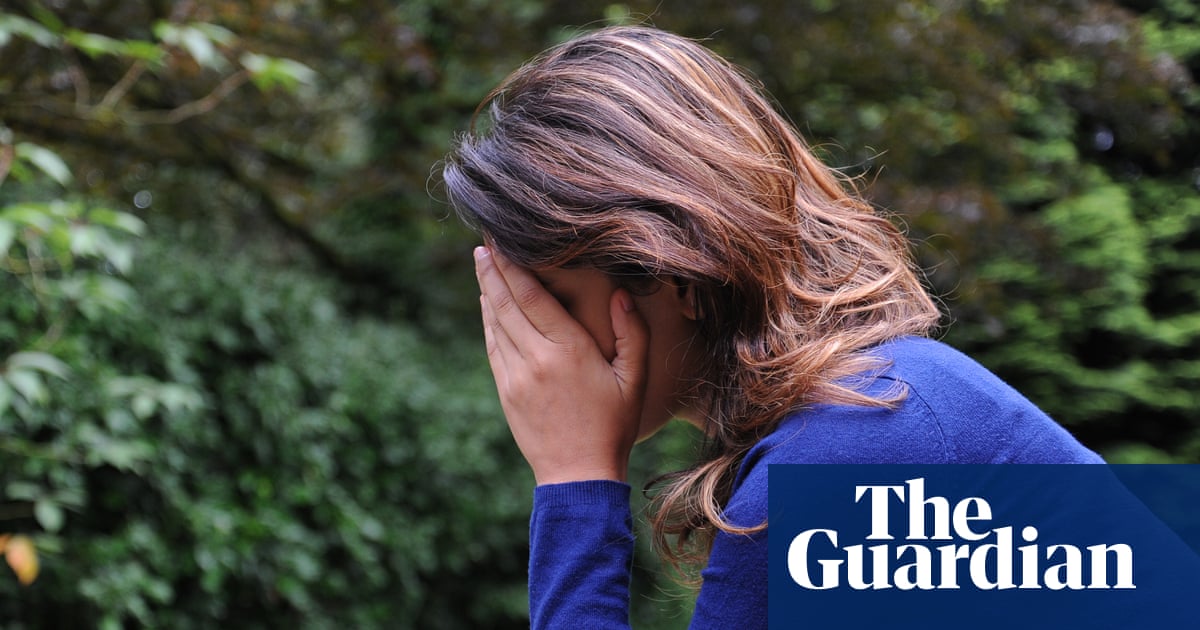
Researchers have found that five significant events, including Russia’s invasion of Ukraine, have caused serious damage to mental wellbeing across the UK. The Brexit referendum, Liz Truss’s mini-budget, and other systemic shocks over the last decade have led to a serious and lasting deterioration in the mental health of the UK population.
Key Findings
The study highlights that the first and second Covid lockdowns also triggered substantial increases in psychological distress, as indicated by rising numbers of individuals experiencing depression and anxiety. The findings come as Prof Peter Fonagy prepares to publish a government-commissioned report on the dramatic increases in mental illness diagnoses, including ADHD and autism, which will be released on Friday. This report is particularly timely as concerns grow over the record 2.8 million Britons who are too sick to work, and nearly 1 million young people aged 16 to 24 who are classified as “Neets” (not in education, employment, or training).
Research Methodology
Led by Dr Annie Jeffery from University College London, researchers utilized data from the UK Household Longitudinal Study, which surveyed 87,857 people aged 16 and older from 2009 to 2024. The study aimed to estimate the mental health impact of the five identified systemic shocks.
““The past decade or so has been tumultuous, shaped by multiple overlapping shocks and ongoing uncertainty and instability that have impacted mental health in Britain,” said Jeffery. “We have shown that major government decisions and current global events can have substantial impacts on people’s mental health.”
Impact of Major Events
The research found that all five events caused immediate and serious damage to overall mental wellbeing across the UK. Notably:
- The Brexit referendum in June 2016 and the first pandemic lockdown in March 2020 caused the most significant damage.
- The Brexit vote led to an increase in overall mental ill-health equivalent to about 120,000 more people seeking help for depression.
- The first Covid lockdown resulted in a much larger impact, with approximately 900,000 more people visiting family doctors for depression symptoms.
- Following Russia’s offensive against Ukraine in February 2022, about 15,000 more Britons sought GP help for depression each month.
- After Liz Truss’s mini-budget in September 2022, there was an increase of about 23,000 people per month visiting their doctors due to depression.