
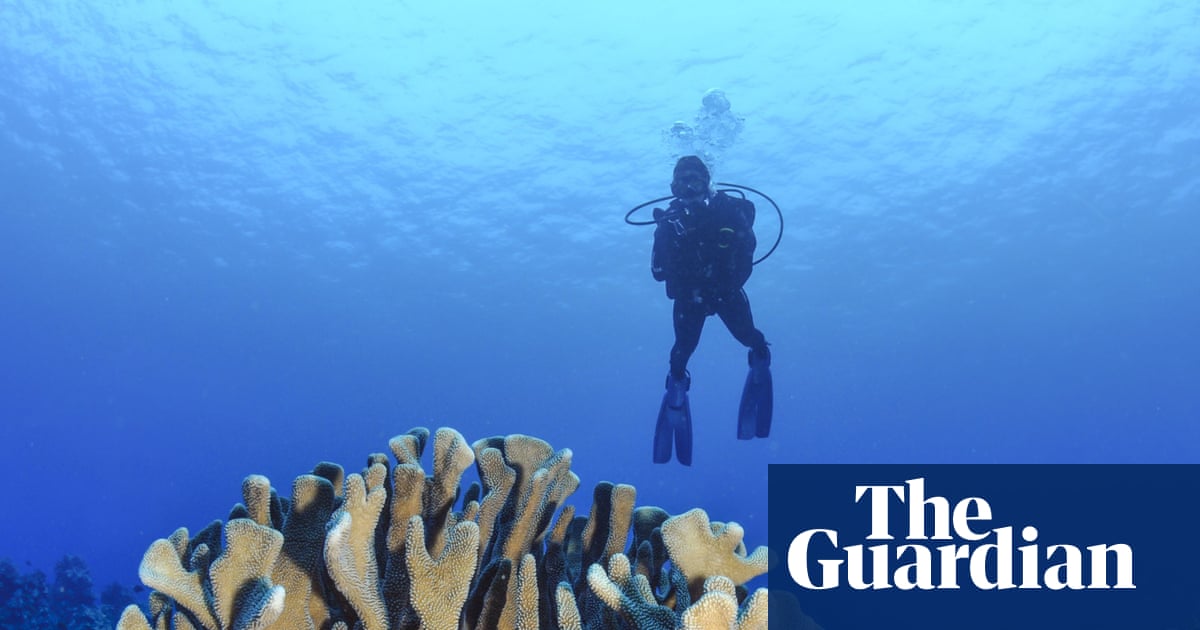
Almost every shallow-water coral reef on the planet, including Australia’s Great Barrier Reef, is at high risk of ecosystem collapse before 2075 due to global heating, according to an assessment by United Nations nature advisers. The report highlights that about 24% of the planet’s reefs across more than 80 countries are already critically endangered, a figure that rises to 96% when considering the expected impacts of global heating.
Importance of Coral Reefs
Coral reefs, often referred to as the rainforests of the sea, are vital ecosystems. They host a quarter of all known marine species and support hundreds of millions of people by providing food, protecting shorelines, and boosting tourism. However, overfishing, pollution, coastal development, and global heating have led to significant declines in these ecosystems over the past 50 years.
Key Findings of the Assessment
The assessment, coordinated by the International Union for Conservation of Nature (IUCN), analyzed the current status and future threat levels of 127 coral reef regions. It assumed that greenhouse gas emissions would follow a “middle-of-the-road” pathway, leading to approximately 2.7°C of global heating by the end of the century compared to pre-Industrial Revolution temperatures. Current climate policies are likely to result in about 2.6°C of global heating.
Critically Endangered Coral Regions
The IUCN noted that the share of coral eco-regions classified as critically endangered would likely be even higher, although data was insufficient for four regions. The western Galápagos coral reefs have already collapsed. A critically endangered classification indicates an extremely high risk of ecosystem collapse before 2075.