On a warm summer day two weeks ago, Abdul Gani met a man who looked familiar. The meeting was just off the Srinagar-Ladakh national highway, at the start of the 400-metre-long road that climbs gently into the village of Wandhama. As soon as he saw him, Gani asked the man where he was from — a customary first question in these parts when Kashmiri Pandits and Muslims meet. The answer stunned him — Gani was meeting his old neighbour Brij ‘Batta’ (Batta is a Kashmiri word for Pandit) from Wandhama in Kashmir’s Ganderbal district.
““We hugged,” says Gani. “Time had changed us — we had both grown old and grey. But somewhere in his face, I sensed something familiar.”
For Gani, this reunion with a face from his own childhood was a throwback to a different time — a time before the dreadful events of January 25, 1998, etched themselves into the collective memory of Wandhama. On August 25, Jammu & Kashmir Police’s State Investigation Agency opened an investigation into that incident, when militants in Army fatigues entered the village and killed 23 Kashmiri Pandits in one of the deadliest attacks of that time.
The case is the latest in a series of probes that the SIA has opened into the killings of Kashmiri Pandits during the militancy. Although Brij had left the village for Jammu eight years before the Wandhama massacre, when many like him were having to leave the Valley as part of the larger Kashmiri Pandit exodus, the reunion with him brought back memories for Gani.
The Tragic Night of January 25, 1998
Nestled among tall Chinar and walnut trees, Wandhama is a village in central Kashmir’s Ganderbal. On the night of January 25-26, 1998, a group of militants descended on the village, assembled the Kashmiri Pandits in one place and opened indiscriminate fire. It led to the killing of 23 Kashmiri Pandits, including four children and nine women.
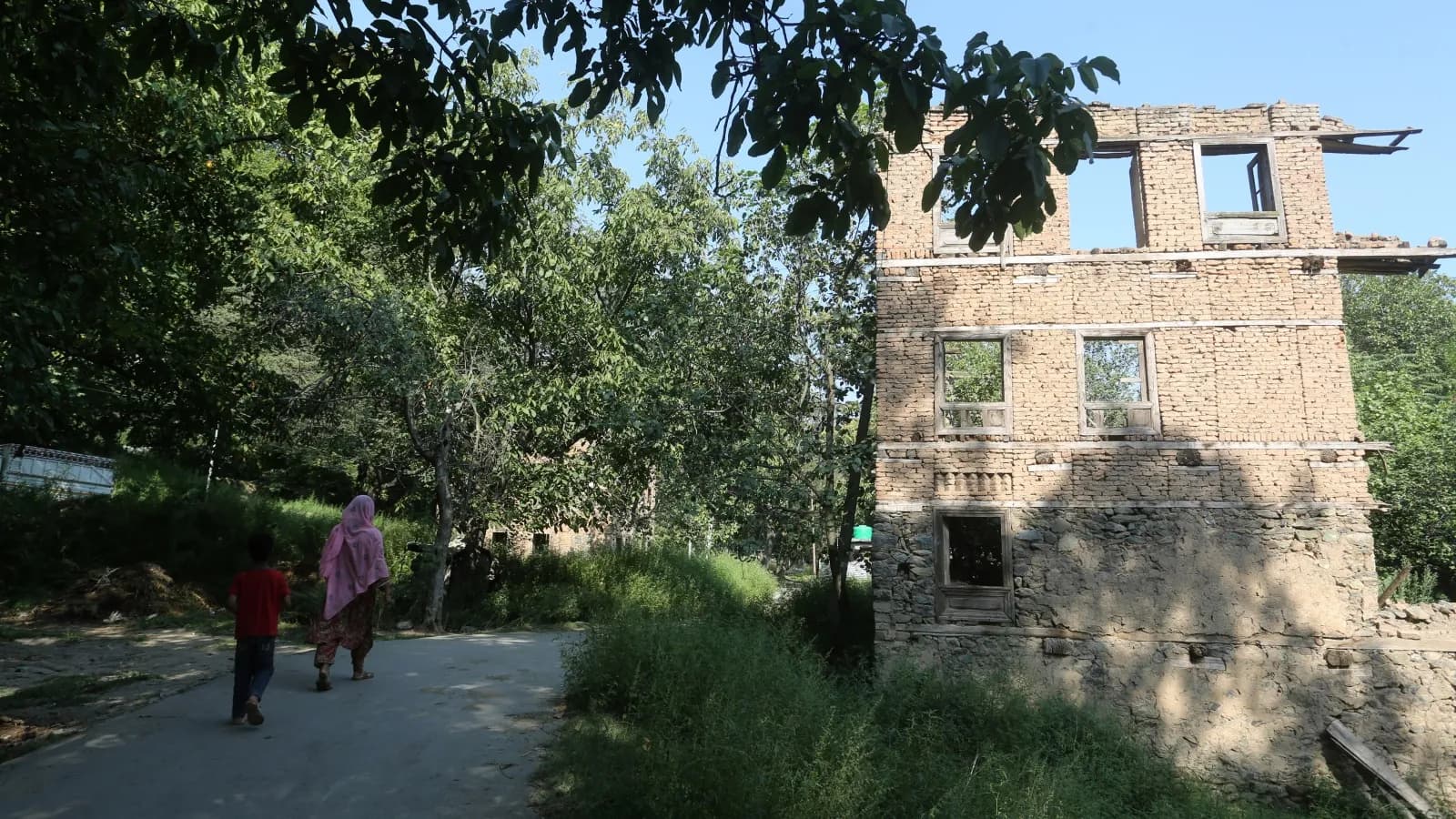
Today, much has changed. A new highway corridor that connects Srinagar and Ladakh has come up a few hundred metres from the village, and old brick-and-stone houses are giving way to larger concrete ones. Yet, in the heart of the village, four rundown brick-and-stone houses belonging to the Pandits remain standing, frozen in time.