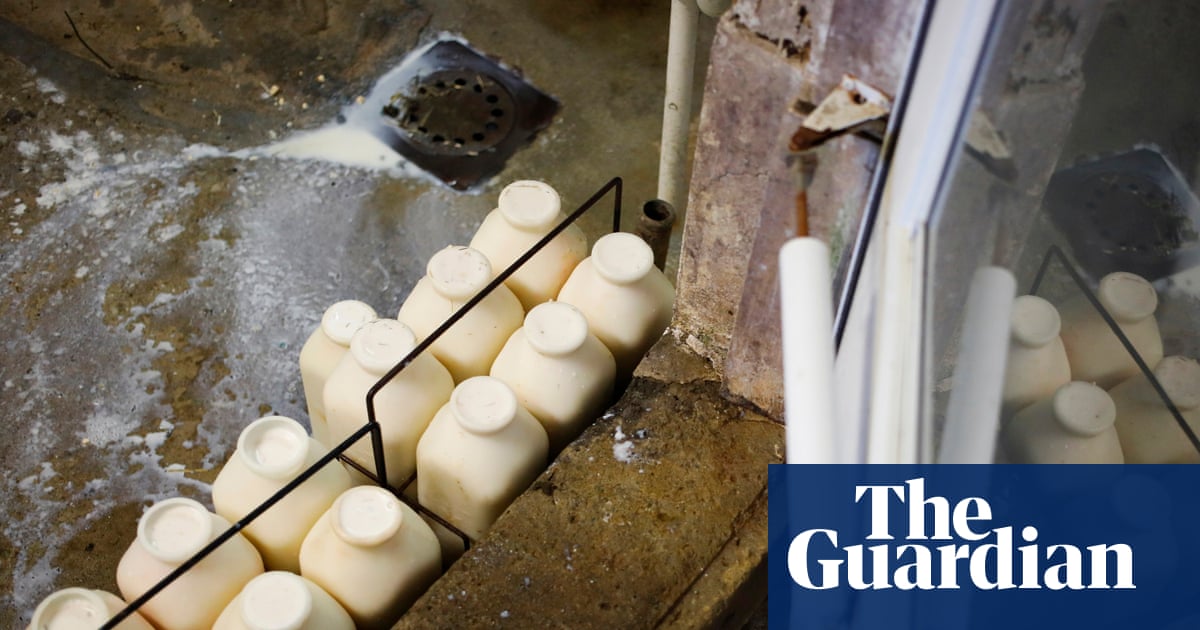
As the raw milk industry experiences record growth, experts warn that it may contain pathogens that can sicken consumers. Recent disease outbreaks linked to raw milk have alarmed public health officials, prompting the American Academy of Pediatrics to call for a ban on the sales of unpasteurized milk in the United States.
Rising Popularity of Raw Milk
More Americans are turning to raw milk, influenced by health claims from various social media personalities and a notable endorsement from Robert F. Kennedy Jr., the U.S. health secretary, who previously promoted its benefits. This trend is also fueled by a growing distrust in government regulators. However, the Food and Drug Administration (FDA) and public health groups assert that there is no scientific evidence supporting claims that raw milk can alleviate lactose intolerance, cure allergies, or boost immunity.
“"I’m concerned about people consuming raw milk because while it isn’t a guarantee that you will get sick from it, there is a relatively high likelihood that you can get a pathogen, a bacteria that will make you sick," said Petra Levin, a professor of biology at Washington University.
Historical Context
The practice of pasteurization, which involves heating milk to eliminate harmful pathogens, began in the late 19th century. This method significantly reduced the infant mortality rate as more producers adopted it and regulators mandated its use. In 1987, the FDA banned the interstate sale and distribution of raw milk, although states could still permit sales within their borders.
In recent years, the consumption of raw milk has surged, with a 17.6% increase in sales reported in 2024 by market research firm Circana. Many states have relaxed their regulations on milk sales, contributing to this trend.