
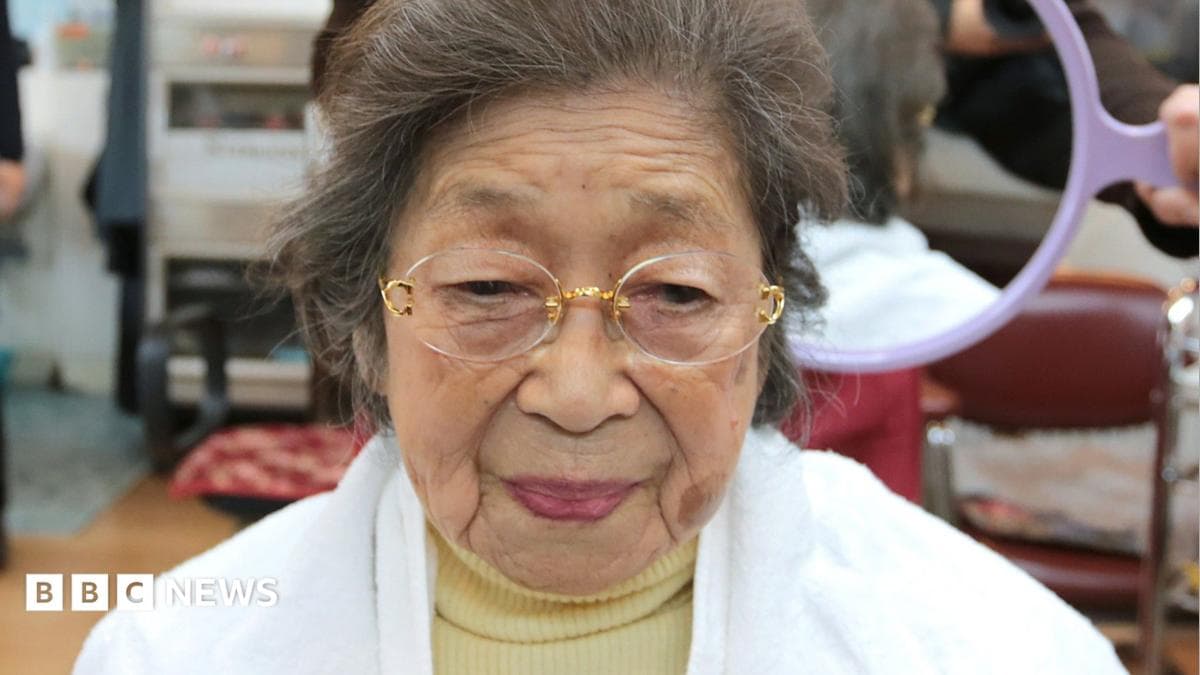
The number of people aged 100 or more in Japan has exceeded 100,000 for the first time, according to the health ministry. Current figures show that Japan is now home to 107,677 centenarians, the highest number in the world, with 88% being women. The oldest woman is Kishimoto Fuyo, a 114-year-old from Kyoto City, and the oldest man is Kato Hikaru, a 112-year-old from Kumamoto.
Health Minister's Remarks
Health Minister Kenichiro Ueno expressed his delight at the longevity of the population, stating that many people are living long, healthy, and active lives. He attributed this trend to advancements in medicine and technology. However, he also warned of the challenges that Japan faces in maintaining a sustainable social security system.
Factors Contributing to Longevity
Experts attribute the long lives of the Japanese to several factors:
- A healthy diet, primarily consisting of fish, vegetables, and rice.
- An active lifestyle, with older individuals regularly walking, using public transport, cycling, and stretching.
Aging Population and Fertility Rates
Japan has been experiencing an aging population for years. Notably, sales of adult nappies have surpassed those for babies for over a decade. The total fertility rate in Japan dropped to a record low of 1.14 last year, indicating that for a population to replace itself, each woman needs to give birth to an average of 2.1 children.
According to data from the National Institute of Population and Social Security Research, the total population is estimated to decline to 87 million by 2070, representing a 30% decrease from its peak of 128 million in 2008. Currently, residents aged 65 and older make up around 30% of the population, and this figure is expected to rise to nearly 40% by 2070.