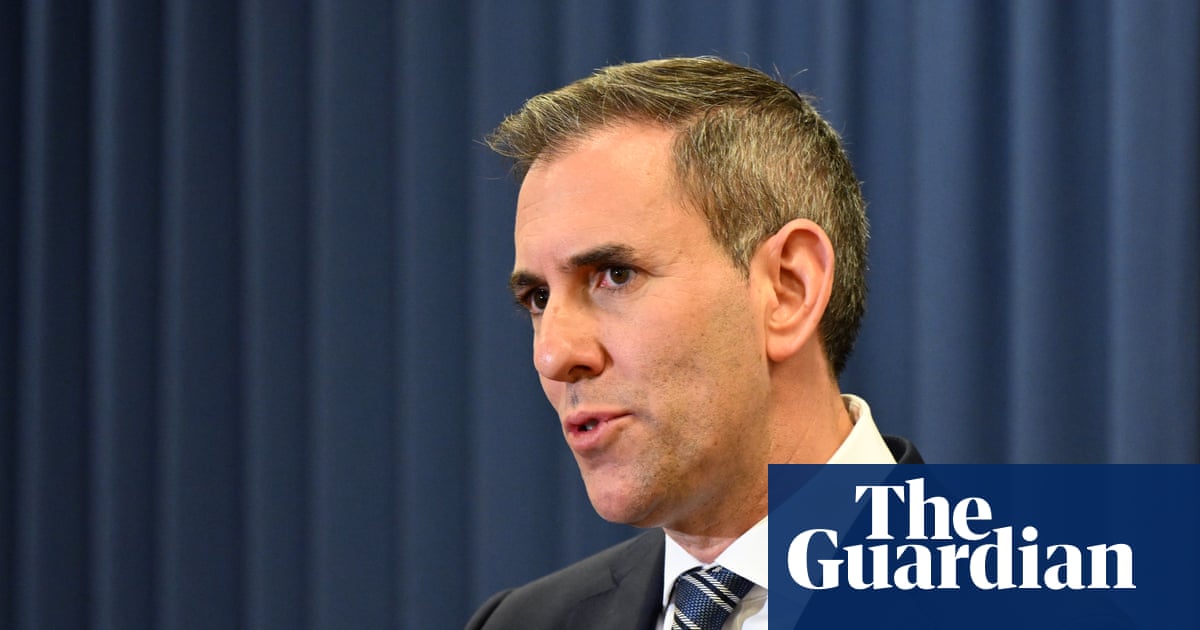
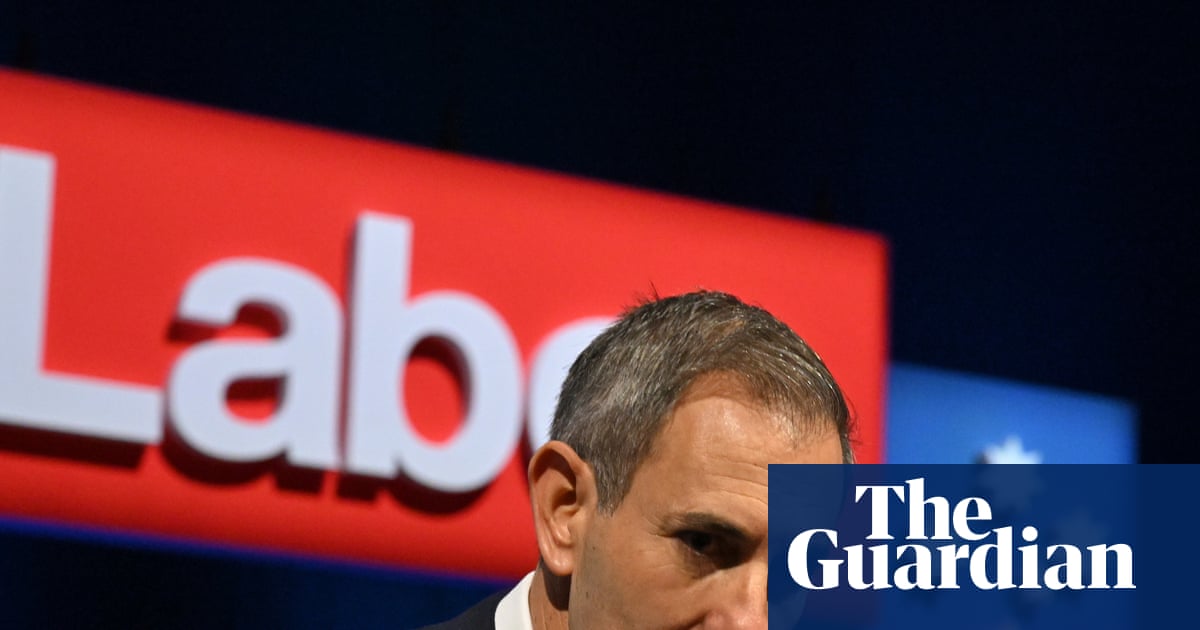
High inflation, low growth, and rising unemployment are adding to Treasurer Jim Chalmers's list of concerns. In a speech last week, he offered the scant encouragement that the economy would be "a bit better" in a year’s time. However, on Friday morning, Chalmers revealed that his officials were busy downgrading their forecasts ahead of December’s mid-year budget update, indicating slower growth and higher unemployment. In other words, things are getting worse, not better.
Rising Oil Prices
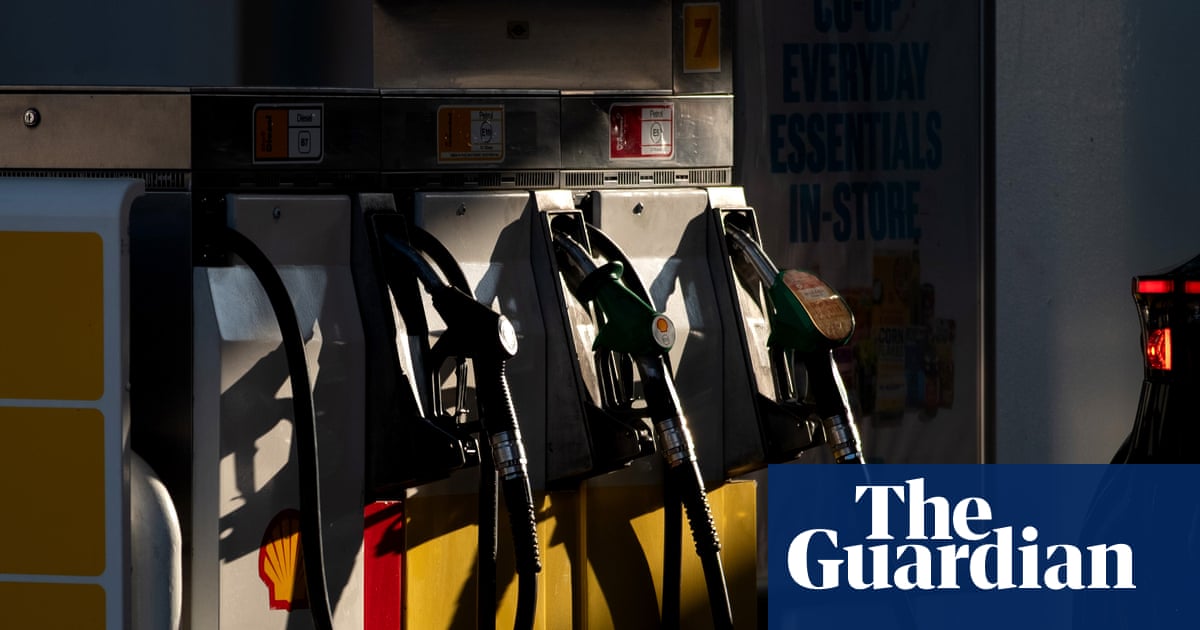
Overnight, a broadening conflict in the Middle East pushed the global benchmark oil price to US$113, nearing its April high of nearly US$120. Motorists are now paying 60 cents more per litre of petrol than they were before the US and Israel attacked Iran. This translates to an extra $36 to fill up a 60-litre tank, resulting in a family’s monthly fuel bill being $144 higher than in February.
The New York Times reported that the US and Israel have drawn up plans to restart attacks on Iran after the upcoming American midterm elections. Westpac analysts have sketched out an "escalation" scenario for the Middle East conflict, predicting oil prices could climb towards US$150. This worst-case scenario would have significant implications for inflation and interest rates, especially as we brace for a potential fifth interest rate hike on November 3.
Challenges in the AI Sector
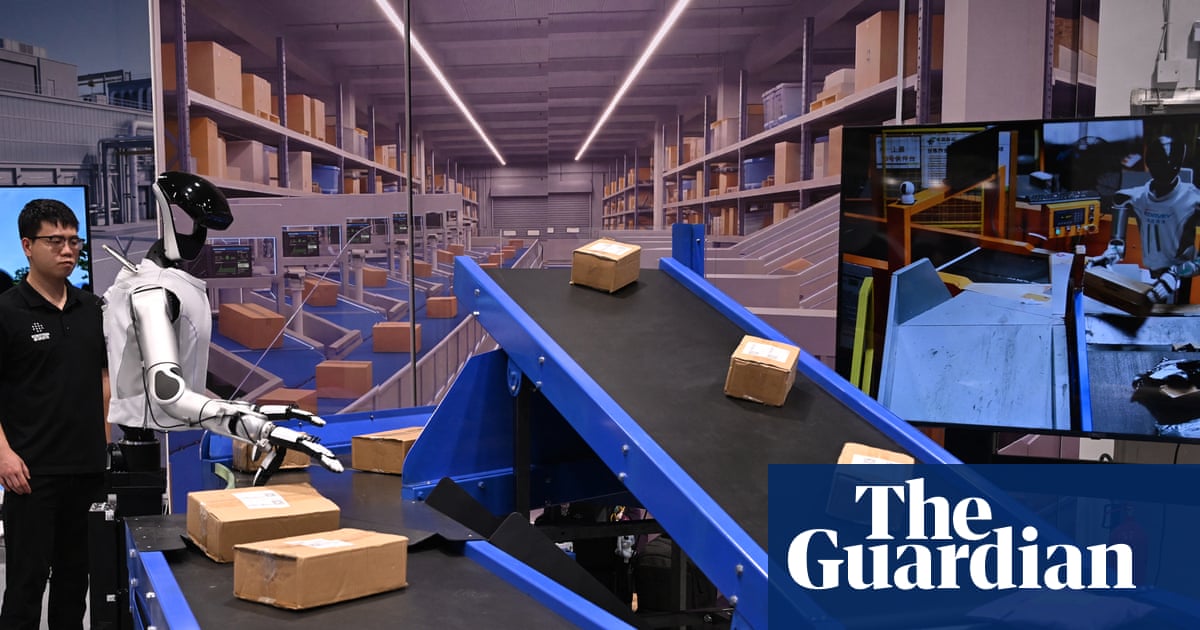
Meanwhile, the one bright spot that has helped mask many of the cracks in the global economy—the massive spending associated with artificial intelligence—is facing serious challenges. Investors are concerned about the surge in debt among companies racing to build the infrastructure for an AI future, triggering another steep sell-off on Wall Street overnight. Community opposition to the massive datacentre build-out could stall the rapid progress towards an AI future, adding another layer of stress to the treasurer's worries.