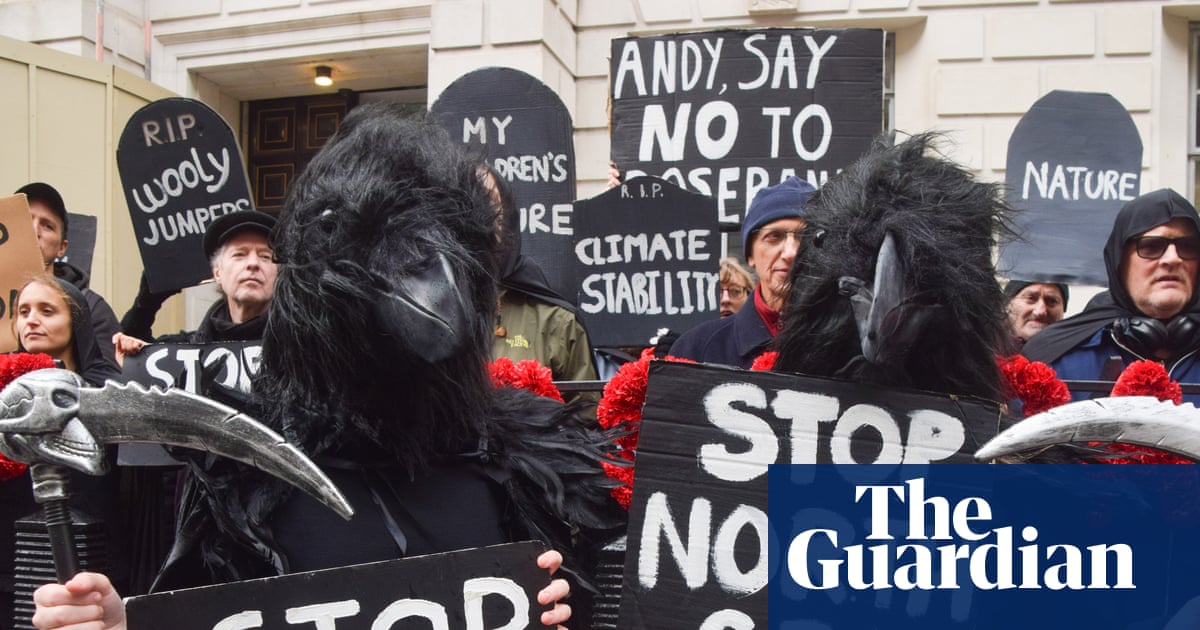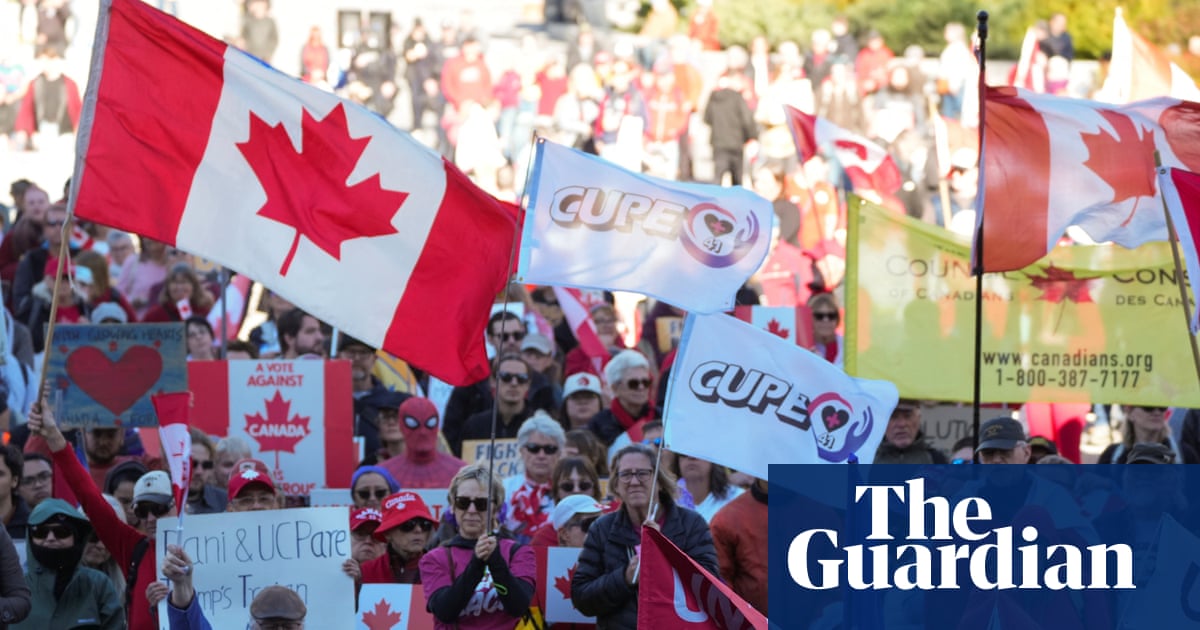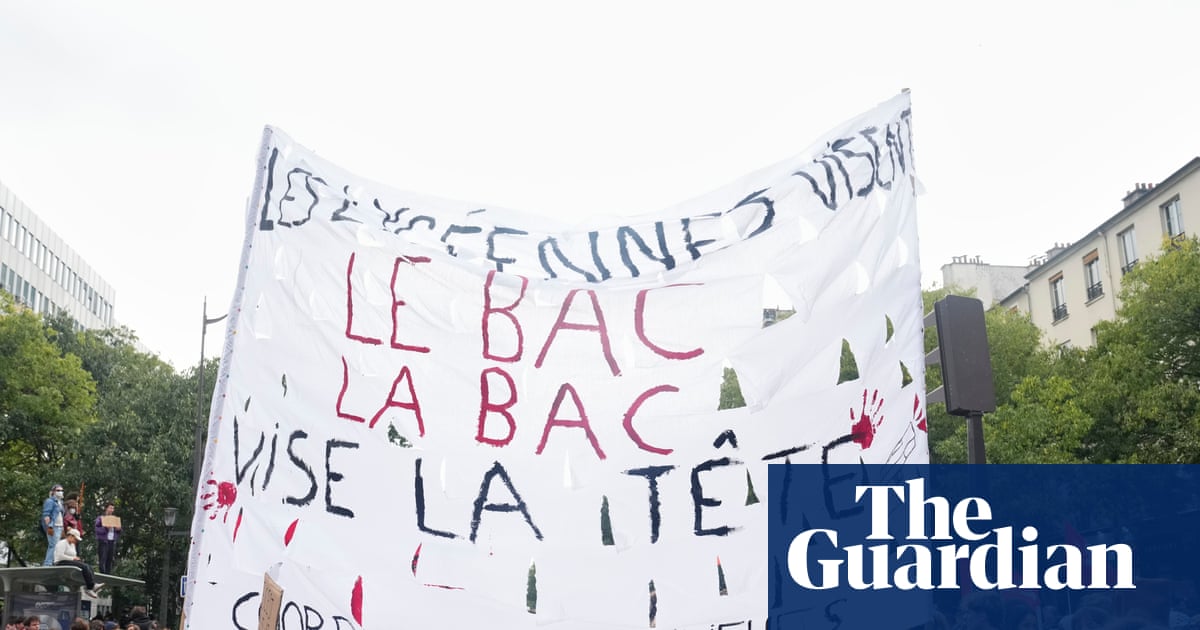

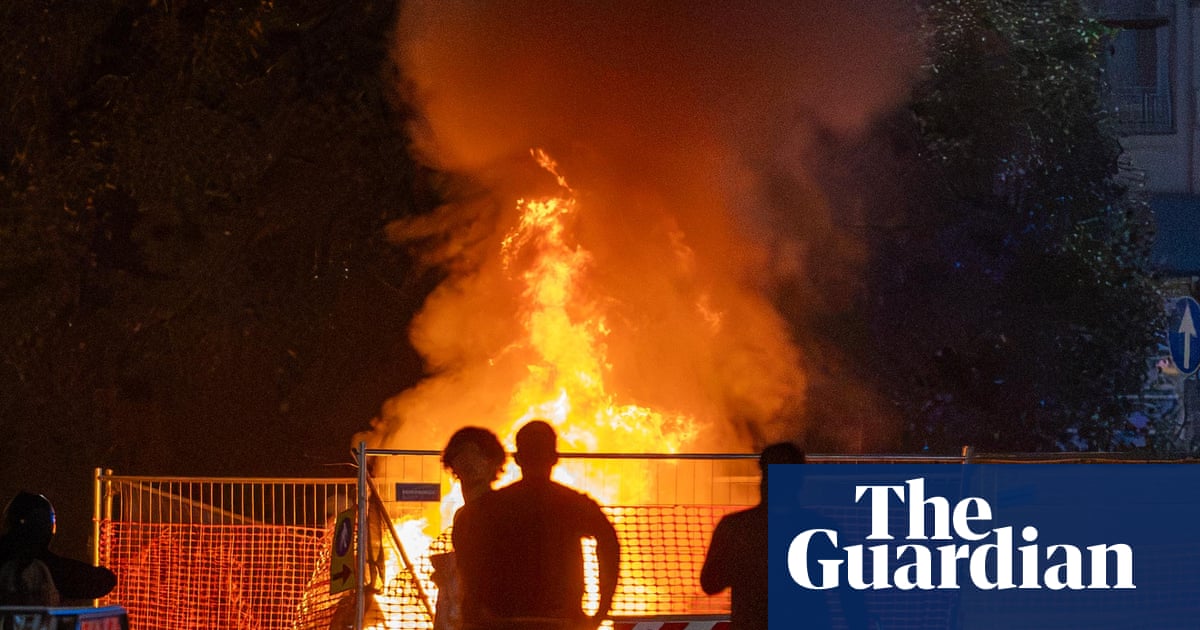
Protests and fringe violence in Milan have highlighted a growing divide between marginalized youth and those with better prospects. On Saturday afternoon, journalist Martina Miccichè was filming riot police as they confronted a teenager in Piazza del Duomo, the city's central square, when she was injured by a flying object. This incident occurred during a protest against soaring living costs and unaffordable housing, reflecting a broader wave of economic discontent across Europe.
Background of the Protests
The protests are not new; they have been a recurring theme during Giorgia Meloni’s four years as prime minister. Despite the risks posed by her government’s crackdown on dissent, demonstrators are set to gather again in Milan and other major cities. Miccichè described the atmosphere as peaceful until around 5 PM, when police blocked access to Via Broletto.
“"People were angry because they were being repressed," Miccichè stated, noting that police turned "suddenly violent" as they pushed back the crowd. "The violence escalated. They started to grab people at random, hitting and kicking them. It was shocking."
As clashes continued, police deployed teargas while tourists looked on. A group of masked youths vandalized the surrounding fashion district, setting bins on fire and looting stores like Footlocker and Levi’s. The unrest continued into Sunday, with many youths drawn by the promise of luxury goods through social media networks.
Government Response
Over the two days of unrest, police detained over 271 young people, with 32 arrests made, including minors and foreign nationals. In response to the violence, Meloni’s government quickly enacted measures targeting minors and increased police powers, including holding parents financially accountable for their children's actions. New legislation criminalizes violent participation in demonstrations and imposes tougher penalties for rioters.