Early flood warning systems are being implemented at three hydroelectric projects in Jammu & Kashmir as part of a strategy to enhance disaster resilience. The Jammu Kashmir Power Development Corporation (JKPDC) is overseeing the installation of these systems, which aim to provide sufficient response time in the event of natural disasters.
Key Projects and Locations
The projects involved include:
- The 900-megawatt (MW) Baglihar hydroelectric project on the Chenab River in Ramban district.
- The 105-MW Upper Sindh hydroelectric project on the Sindh River in Ganderbal district.
- The 37.5-MW Parnai hydroelectric project on the Suran River near Bafliaz in Poonch district.
Rahul Yadav, Managing Director of JKPDC, confirmed that tenders have been floated for the installation of these early warning systems. This initiative follows recent devastating floods in Nepal, which were reportedly triggered by a high-altitude glacial lake outburst.
System Features
The early warning system will include:
- Strategic placement of sensors and communication equipment upstream of hydroelectric dams.
- A response time of one to two hours in case of impending floods.
- Sensor redundancy to ensure data transmission continuity, with real-time monitoring of instruments and communication systems.
Vulnerability and Studies
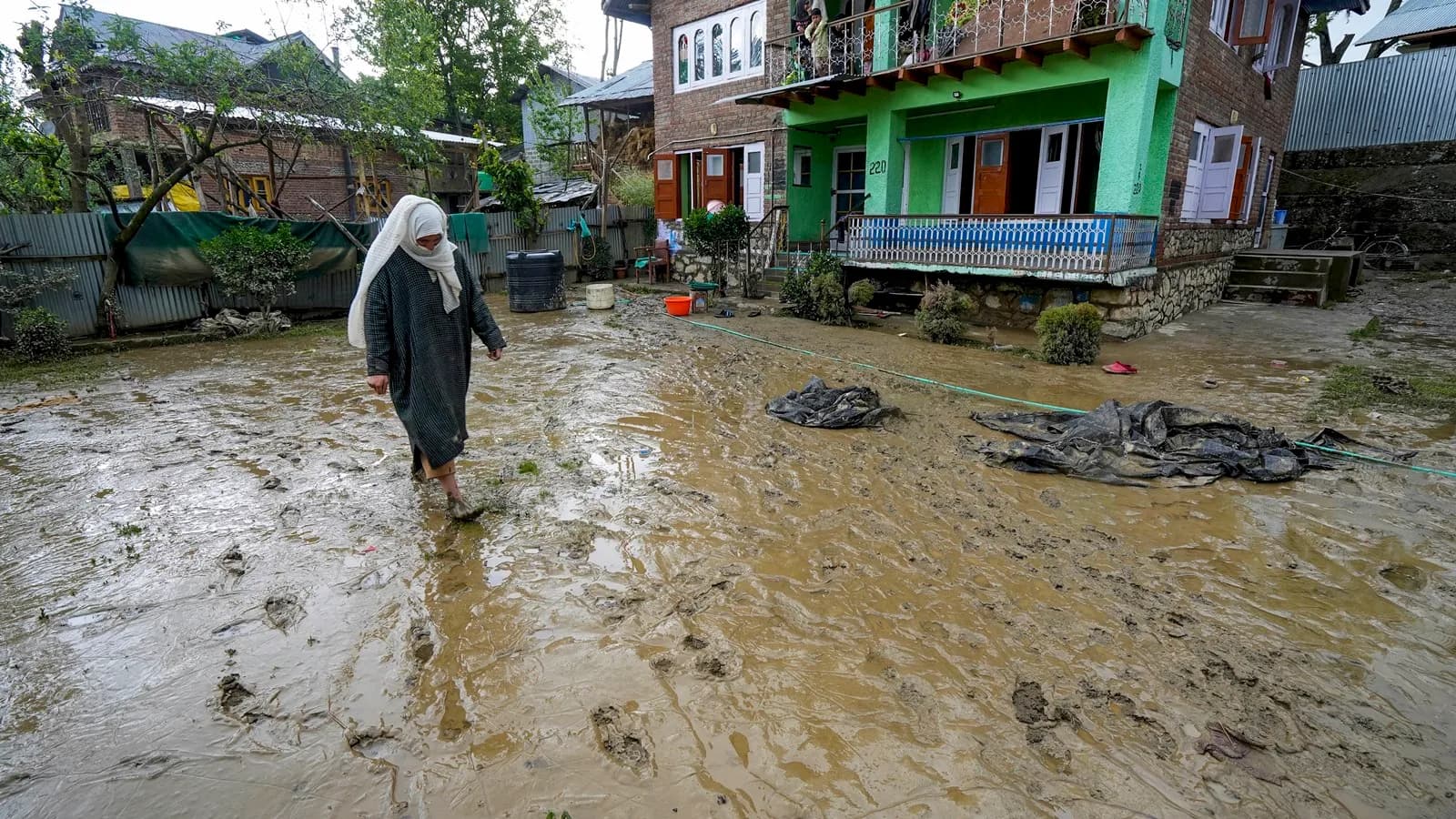
All three hydroelectric projects are situated in mountainous regions prone to flash floods caused by cloudbursts, avalanches, and glacial lake outbursts. Following last year’s Chishoti flash floods, studies were conducted by experts from the Department of Disaster Management, Relief, Rehabilitation and Reconstruction (DMRRR). These studies identified Kishtwar, Doda, and Ramban districts as highly vulnerable to landslides.