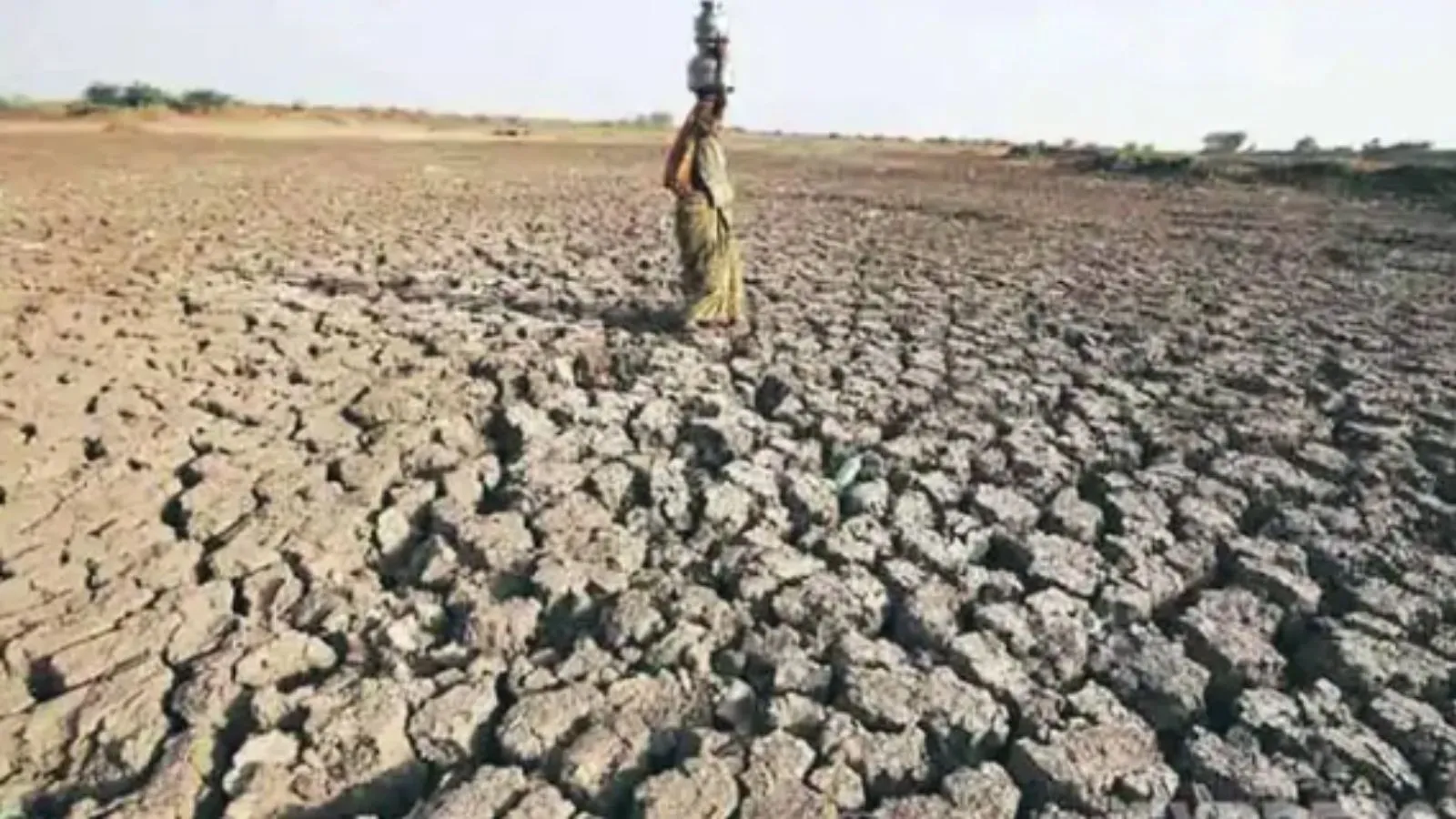

As wildfires worsen across large parts of Indonesia, a noxious haze is choking the region. A blanket of toxic haze is enveloping parts of Indonesia and spreading into Malaysia, Singapore, and the Philippines, as weeks-long wildfires continue to burn. Millions of people across large swathes of South East Asia have been exposed to the smog, which in some areas has fueled "acutely unhealthy" pollution more than 15 times the World Health Organization's recommended level.
Context
Many of the ongoing fires have been burning across Sumatra and Indonesian Borneo since mid-July, underpinned by a so-called Super El Niño that is exacerbating drought conditions. Between July and August, Indonesia's Health Ministry recorded over 50,000 cases of respiratory infections linked to land and forest fires. More than 12,000 of those cases are of children under the age of five.
Local Impact
Rizma Nur Fatimah, a 19-year-old teaching assistant at a school in Banjarbaru, South Kalimantan, told the BBC that the smog in her classroom had become so thick "you couldn't even see your own feet".
“"Even inside the house, with everything closed, the haze still got in," she said. "We've been living with this since I was born. It's the same every year, so we've almost become resigned to it. But this year is worse."
Misbah, a 23-year-old mother from nearby Pengayuan village, reported that her three-year-old daughter had developed "a cough, a sore throat and a runny nose" during the haze. Some 1,300 kilometers away, in the Philippine island province of Palawan, residents reported similar symptoms, including itchy eyes, nose, and throat.
“"We are now experiencing mild headaches," said Dr. Precious Bañas-Melad. "My cousin who isn't allergic to anything started developing allergies. My husband is the first one who had itchy eyes and throat."
Malaysia, meanwhile, has reported rising cases of asthma and conjunctivitis amid worsening air quality nationwide as smoke continues to drift across the border.