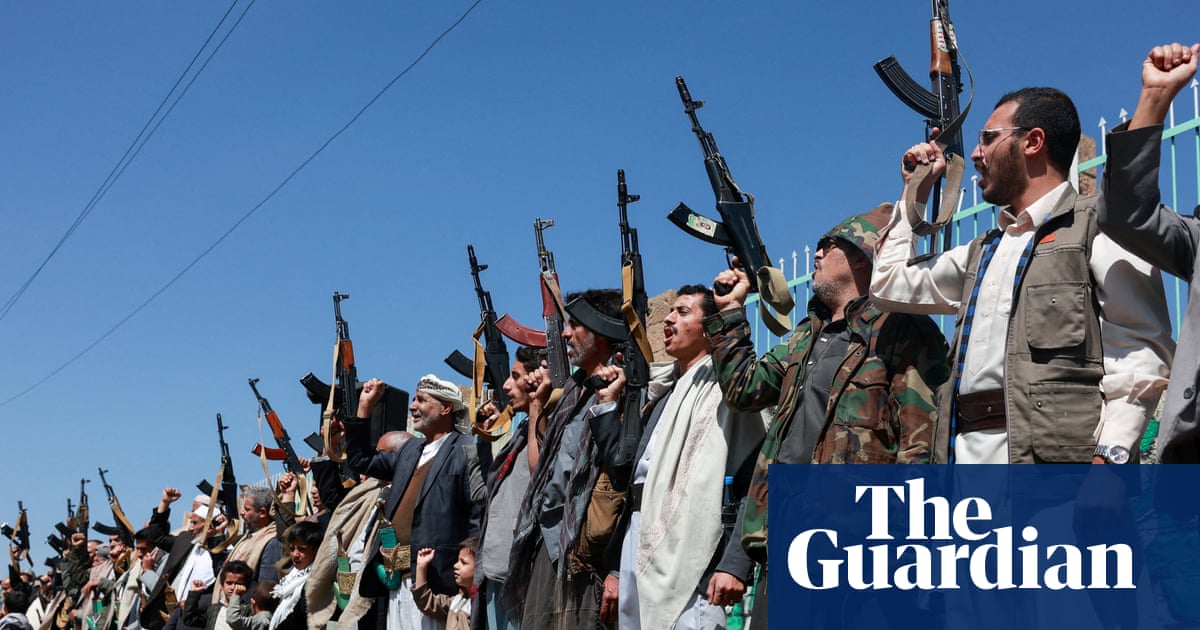
The future of western security is being contested in the mountains and hills surrounding the south-western Yemeni city of Taiz, according to Maeen Abdulmalik Saeed, the country’s former prime minister and current adviser to Yemen’s president. He warned that if Taiz falls to the Iran-backed Houthi rebels, it would be catastrophic, resulting in the loss of control over the strategic Bab al-Mandab strait in the Red Sea and the road to Aden, where the UN-recognized government is based.
Call for Western Support
Saeed appealed for increased western assistance, asserting that the Houthis aim to seize control of all of Yemen, with the intention of expanding Iranian influence. He noted that the lack of coordination among government-backed troops, competition between Gulf states, and a slow response to the implications of Yemen acquiring long-range drone technology have intensified the challenges faced by his government and its chief supporter, Saudi Arabia.
“"We only have light weapons and Saudi Arabia did not plan at an early stage for this escalation, but it is never too late to regain our position," Saeed stated.
The Strategic Importance of Taiz
Saeed emphasized that the battle for Taiz is not merely a local conflict but a broader struggle that impacts the entire western world, particularly concerning one of the most critical maritime straits. He explained:
“"The Houthis know controlling Taiz is controlling the straits and it’s the highlands before the straits and the coastal city of Mocha and the Gulf of Aden. If Taiz is lost, access to the strait will be lost. The rest of the country will come later. The Houthi plan is to control the whole of Yemen."
Taiz has emerged as the new frontline in the war following a military campaign launched by the Houthis last month to capture Yemen’s Red Sea coast, ending four years of relative calm after a UN-brokered ceasefire in 2022.
Houthi Advancements
Existing intelligence indicates that the Houthis are already attempting to control parts of the south, including the former Soviet camp at al-Sabiha in the Lahij governorate, with aspirations to eventually reach Aden. Saeed remarked: