

Since the infamous protests of 1968, French governments have understood the power of young people taking to the streets. It is a piece of wisdom that all French leaders heed: young people on the street equals trouble. Since the student protests of May 1968—memorably described by President De Gaulle as chienlit (bed defecation, or chaos)—every government has run scared of angry French youth. Why? Because youth movements are unpredictable and shapeless, often with no clear structure to negotiate with. When they protest, other groups join in. Additionally, as they are young, the public tends to sympathize. If the police mess up and cause injury or worse, the consequences are incalculable. With presidential elections only months away, governments tread very carefully when la jeunesse en colère (angry youth) is at the barricades.
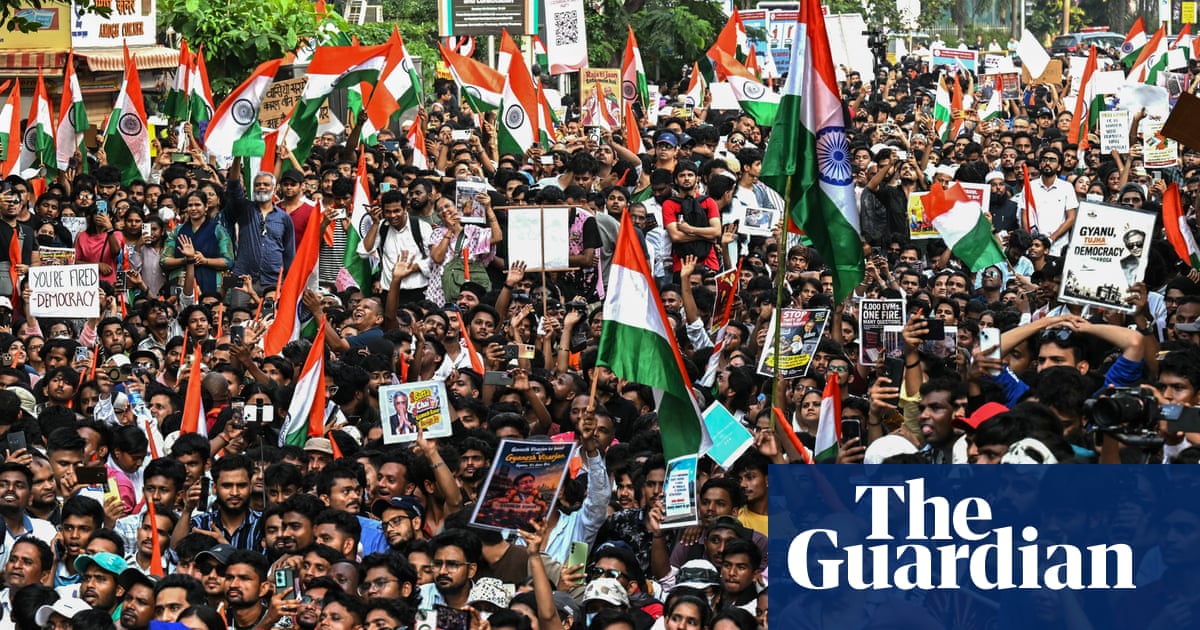
Currently, French teenagers are at the barricades. While they may not appear visibly angry—the mood is more one of excitement—they certainly have the government of President Emmanuel Macron in what Le Monde called "the cold sweats." A movement that started nearly two weeks ago in the low-income Seine-Saint-Denis area of northern Paris has recently spread across the country.
Recent Developments
On Thursday, the high point so far, hundreds of lycées (where 15-18 year-olds finish their schooling) were blockaded. By Friday, the situation had improved, but around 400 lycées were closed to protect staff and students. Universities are beginning to join in, and violence has erupted. On Thursday, the main hall of a lycée in Nantes was destroyed by fire, and smaller fires were lit at school entrance gates across the country, resulting in millions of euros in damage.
According to Education Minister Édouard Geffray, 65 teaching staff, including 40 school heads, have been injured. "Most of the staff who were hurt said that the people they were facing… were not their own pupils," he stated. The protests have spread nationwide, with some university students now joining in. The government reports that around 300 police and firefighters have been treated for injuries, and approximately 2,000 people—mainly minors—have been taken into custody. Student groups claim to have a long list of individuals injured by police, including two teenagers with serious eye injuries and one who has lost many of his teeth.