
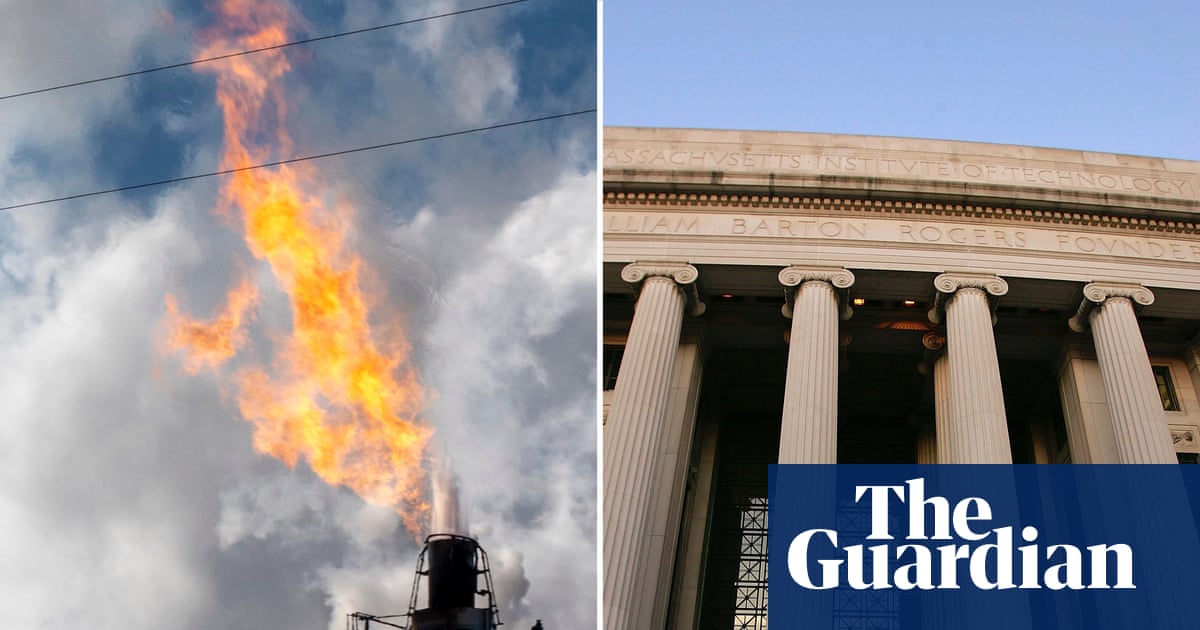
Fossil fuel firms have spent years trying to regulate climate research by donating to US universities, according to a new study. Recent attacks on US universities by the Trump administration have built on decades of efforts by libertarian donor networks, fossil fuel companies, and conservative think tanks to reshape university governance and increase outside influence.
Erosion of University Autonomy
The authors of the study argue that the erosion of university autonomy has left colleges more vulnerable to corporate interests, especially within climate and energy research. In 2025, the Trump administration froze billions of dollars in research funding, launched investigations into 75 institutions, and pushed colleges to sign agreements supporting administration policies in exchange for federal funding. The federal government canceled $4 million in climate research grants at Princeton University alone and accused scientists of fueling "climate anxiety."
“"If you’re a young researcher watching that, you might think twice about asking a question that could cost you your funding," said Noel Healy, of Salem State University, the lead author of the study published in the journal Energy Research & Social Science.
Decline in Academic Freedom
The Academic Freedom Index, which measures how freely scholars and universities can teach, research, and express ideas without interference, found that US institutional autonomy fell from 3.3 in 2019 to 1.7 in 2025, on a scale of 0 to 4. Healy noted,
“"Since 2025, scientists have been deleting words like ‘climate change’ from their grant applications because those words can get an application rejected. Some universities have shut down programs before the government even asked them to, hoping to avoid becoming a target. You don’t have to ban speech if people fear that speaking up will cost them their funding. People start deciding it’s safer to stay quiet."
Historical Context of Influence
Outside influence on US universities is not new. In the 1920s, electric utilities worked with academics to defend their monopoly positions and oppose regulations. Fossil fuel companies followed suit in the 1950s, funding research to sow doubt about the public health impacts of their products. Internal industry documents have shown that companies viewed academic research as a way to build credibility and influence public debate.