
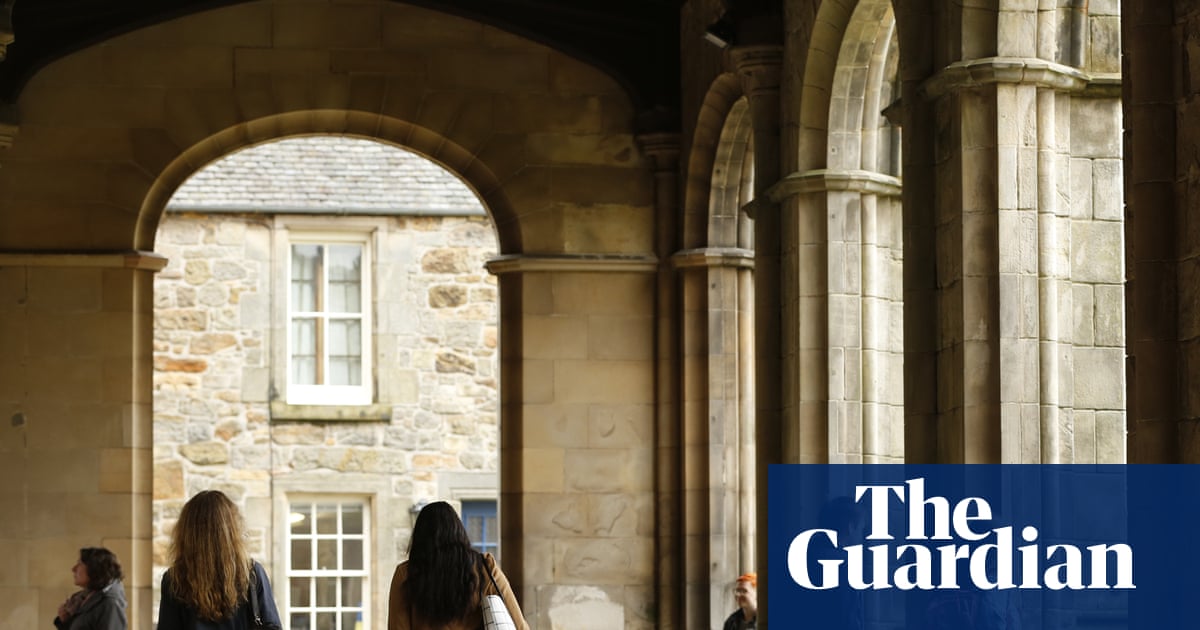
Online comments reflect class tensions at St Andrews University between students from lower-income families and wealthier US undergraduates. When Sophie Rose Jenkins announced she would not return to St Andrews this academic year due to her experiences of classism on campus, she did not expect much of a response. However, in the two weeks since she published her story on LinkedIn, it has resonated with hundreds of others.
“"Working-class students have been made to feel ashamed of their home life at university," Jenkins wrote in a lengthy post. "Arriving at a university ranked first in the UK at the time from a background like mine, I thought I was doing everything right."
Jenkins acknowledged the privilege of access to higher education but highlighted the hidden privilege of having unobstructed access to studying for a degree. She emphasized that there is a significant gap between the two, which is often overlooked.
Context of Classism at St Andrews
Many responses to Jenkins's comments point to a growing tension at St Andrews, driven by the funding model of Scotland’s cash-strapped universities. Places for Scottish students, who study for free, are capped by the Scottish government and account for about 30% of students at St Andrews. Although maintenance loans and bursaries cover basic costs, those from lower-income families often have less disposable income than their wealthier peers, including international students who pay significantly higher fees.
St Andrews, ranked second in the Guardian’s university league table for 2026, has one of the highest percentages of privately educated students in the UK. The influx of wealthy US students has notably altered the campus dynamic. Americans make up around 20% of undergraduates at St Andrews, the highest proportion in the UK, each paying £33,250 for the academic year—more than three times what British students pay.