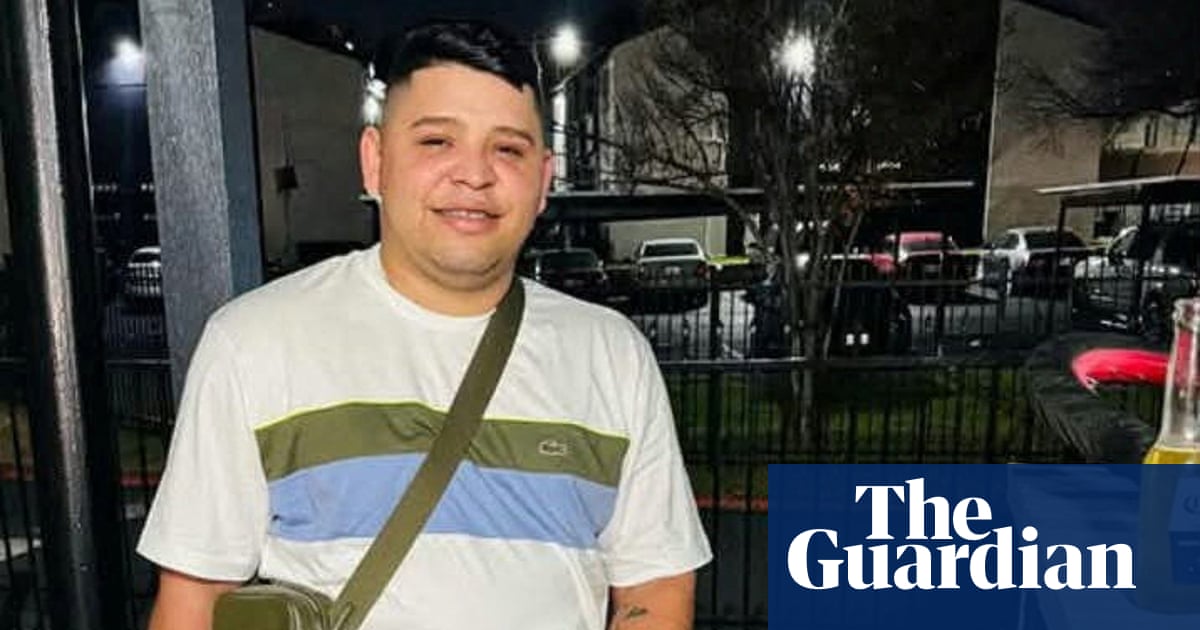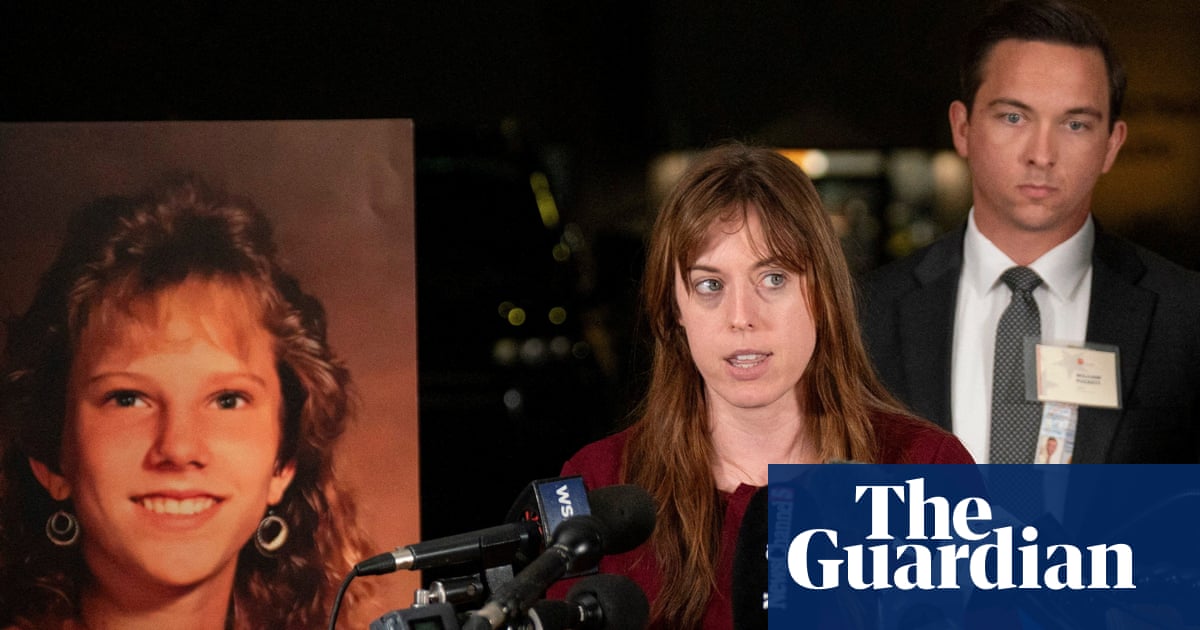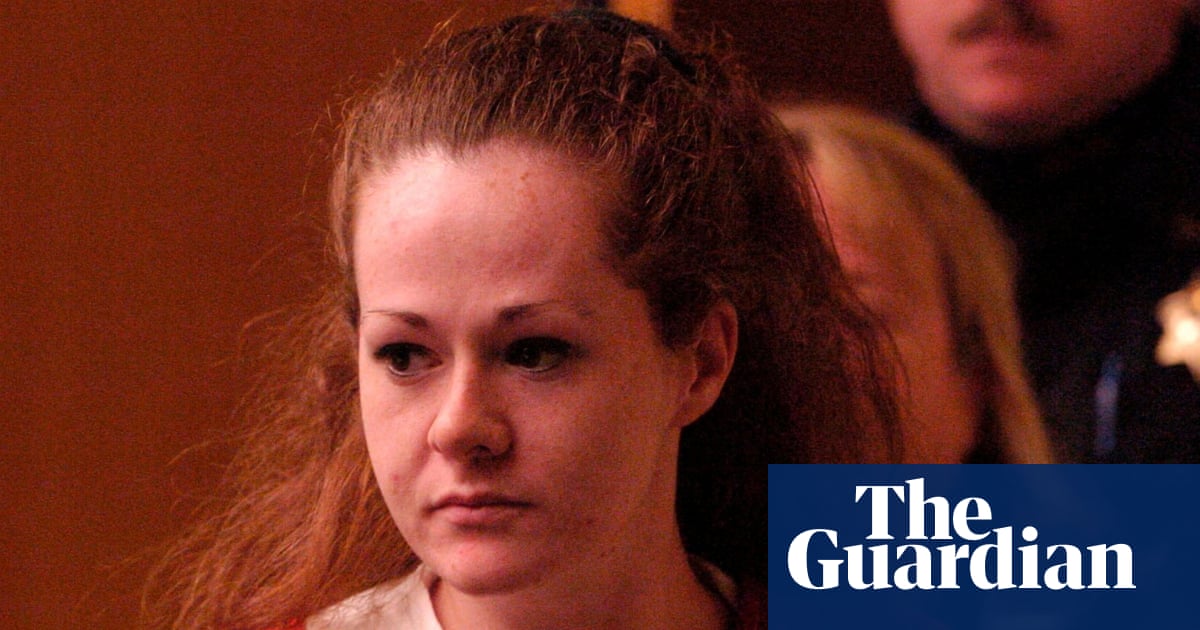


Reporter Michael Graczyk has covered nearly 500 executions in Texas, continuing even after his 2018 retirement from The Associated Press. He recalls two instances where needles popped out before reinsertion for successful execution, but never one in which an inmate survived. This week in Tennessee, 50-year-old inmate Christa Pike remained breathing and audibly snoring after two separate doses of pentobarbital, the barbiturate used in the state's lethal injection protocol.
“"It seems to me it was just a matter of time," Graczyk told BBC News.
Execution Protocol and Aftermath
Tennessee administered two lethal doses to execute Christa Pike, but she lived. Tennessee's execution protocol calls for a secondary set of pentobarbital-filled syringes in case the person being put to death does not die after the first set. However, it does not specify what happens if the subject is alive after the second set. Following the failed execution, Governor Bill Lee halted executions in the state and ordered an independent review into procedures.
Botched executions have come under scrutiny over the past decade, as a shortage of the drugs used led some states to change the formula or procure drugs from questionable sources. Some states even brought back death by firing squad as an alternative.
Current Condition of Christa Pike
Pike is now in the hospital receiving "life-saving care," according to her lawyer. It is not uncommon for lethal injections—the most frequently used form of capital punishment in the 27 US states where the penalty is legal—to be "botched." The Death Penalty Information Center, a think tank that does not take a stance on the death penalty, lists 64 botched executions since 1982, with 51 of them being lethal injections. In at least seven of those cases, the executions were halted because the IV line could not be set.
Graczyk has never seen an execution fail after the injection was delivered.