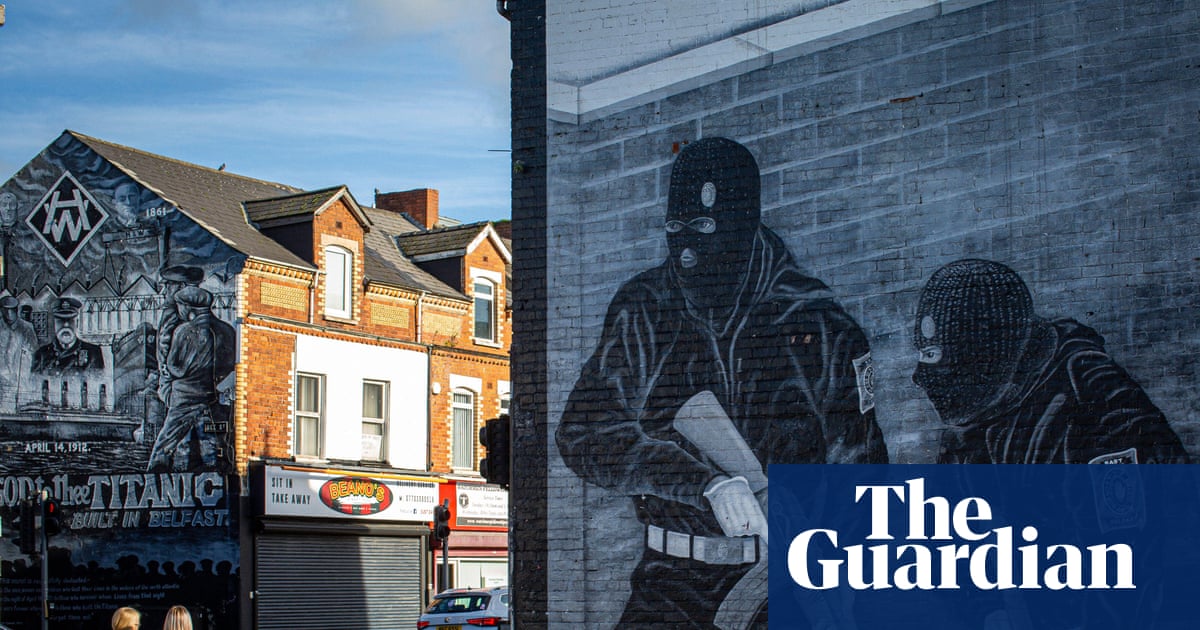
A recent report suggests that the British and Irish governments should engage with paramilitary groups in Northern Ireland to negotiate their disbandment. The report indicates a "window of opportunity" exists to establish a formal transition mechanism for both loyalist and republican groups, contingent upon certain conditions being met.
Key Findings of the Report
The Independent Report on Paramilitary Group Transition to Disbandment, commissioned by both governments and published on Tuesday, emphasizes that groups should not receive financial rewards for participating in the disbandment process. Fleur Ravensbergen, a Dutch conflict resolution expert who authored the report, stated in Belfast:
“"I have concluded that there is sufficient merit in and support for a formal process of paramilitary group transition."
Ravensbergen noted a significant willingness to engage among paramilitaries during a year-long scoping exercise. However, she observed that there was limited support for the term "disbandment" as the endpoint of a transition process, suggesting that objections were more about terminology than the goals of the transition.
Context and Developments
Paramilitary groups were expected to diminish following the 1998 Good Friday Agreement, but many have persisted and evolved into lucrative enterprises involved in drug dealing, extortion, and coercive control. Ravensbergen argued that agreeing on a transition process is more critical than the specific terminology used to describe disbandment: