
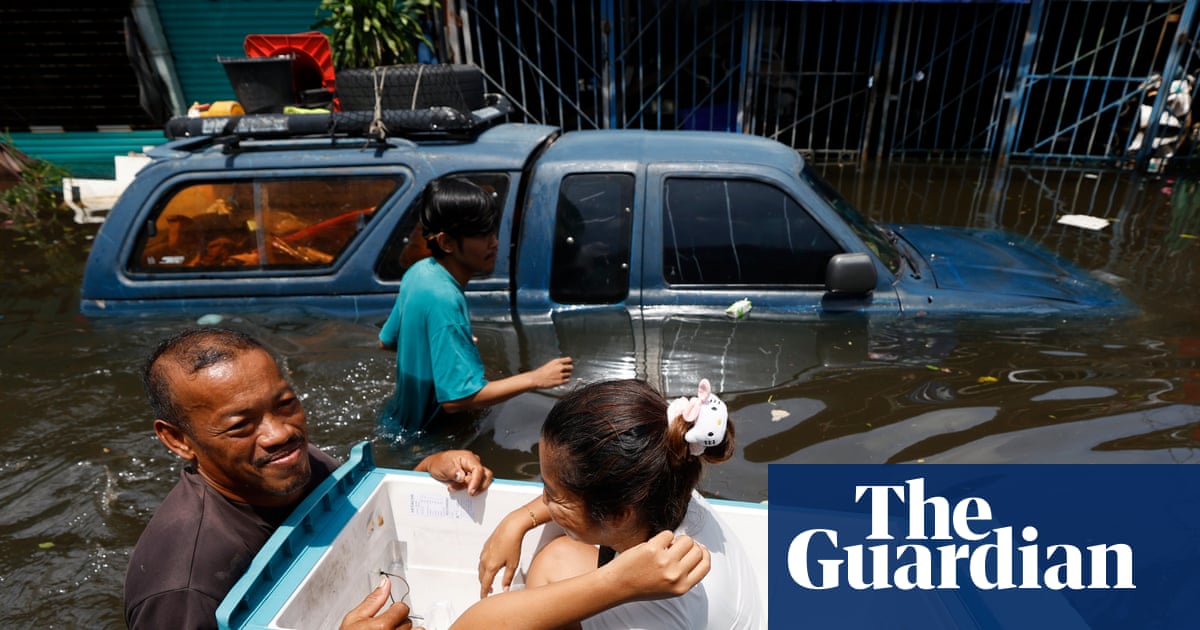
With 40 dead and a disaster declared across all 50 city districts, experts warn that extreme flooding will only worsen across South-East Asia. Bangkok is accustomed to sudden afternoon downpours during the rainy season, but this year, the rain fell so fast and hard that entire neighborhoods have transformed into stagnant lakes.
The Impact of the Flooding
In parts of the city, roughly 300mm of rain—equivalent to half a year of average rainfall in London—fell in about two days. The government reported that about 40 people died in flood-related incidents, with several deaths attributed to drowning and accidental electrocution. Thousands of residents have sought refuge in more than 230 shelters across the city.
Suleemas Kurangkul, a 73-year-old resident, described the relentless rain as not the usual evening storm but constant, "like all day, all night." She recounted, "The water just kept rising," as her ground floor stairs remained submerged.
A City Underwater
The Khlong Chan flat compound in north-east Bangkok has become a symbol of the disaster, with photos circulating of the flats rising out of brownish water, and the rooftops of parked cars barely visible. Although authorities managed to drain away some of the worst flooding by Thursday, the aftermath remains dire. Suleemas noted, "People are so happy to see the sunshine. Yet, the smell is getting stronger. So much debris and rubbish floating all over the place."
Bangkok, built on a vast floodplain of the Chao Phraya River, relies on a network of muddy canals, pumps, and dikes to manage water. However, concrete construction has diminished much of this canal network, leaving the city ill-equipped to handle such extreme weather.