They have faith. Faith in God. For millions of Hindus, Buddhists, Jains, and practitioners of Bon – Tibet’s indigenous religious tradition – there are few pilgrimages more sacred than the roughly 52 km parikrama, or trek, around Mount Kailash. One circuit, it is said, is worth 12 years of penance. Every year, tens of thousands of pilgrims set out for Mt Kailash and the walk around its base, trudging across some of the most rugged and inhospitable terrain in the world.
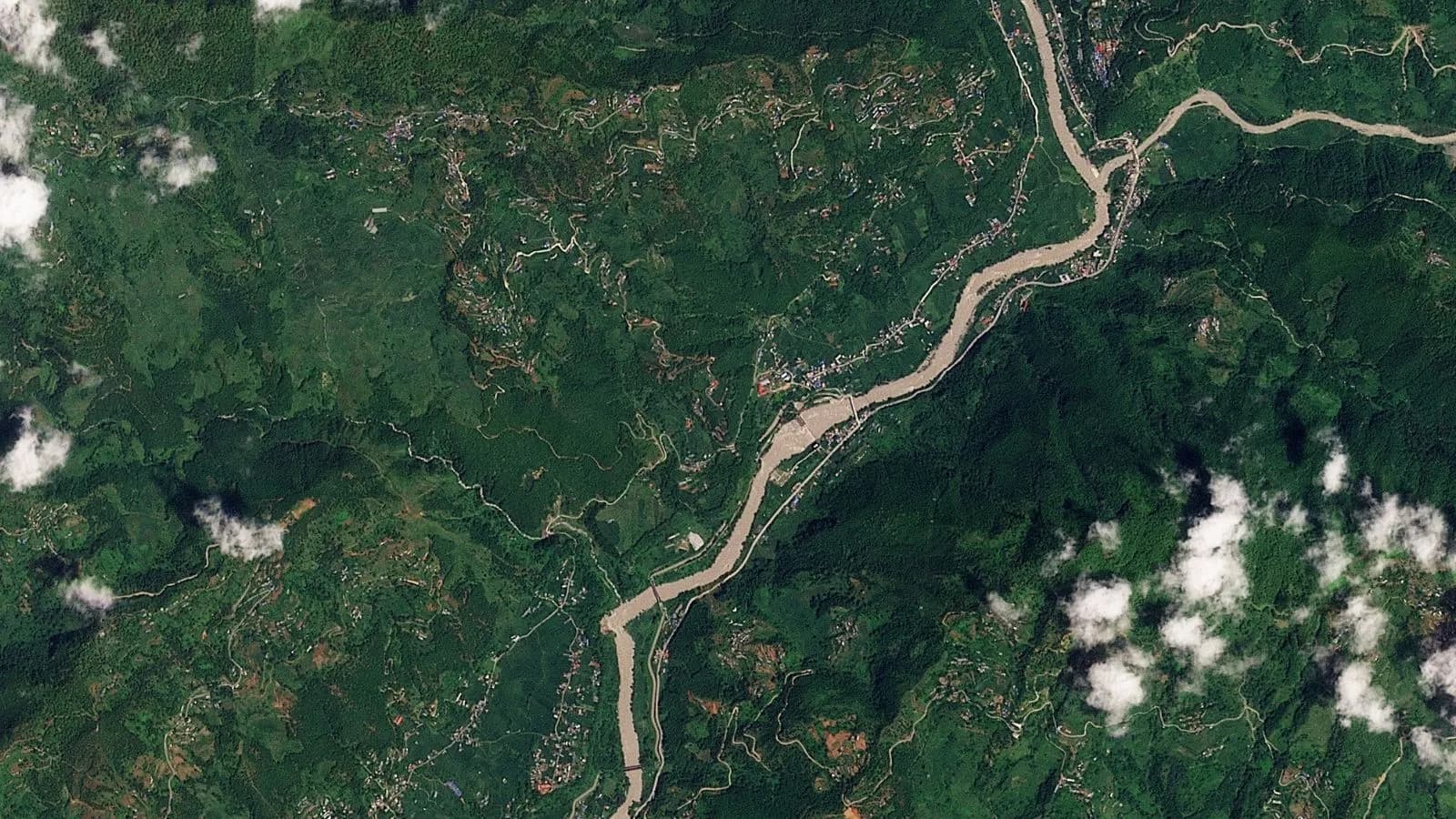
Many, having reached Kailash, turn back midway, defeated by the Dolma La pass – at 5,630 m above sea level the highest point on the parikrama – or are starved of oxygen. Some are turned back by a different sort of avalanche – a rush of paperwork for any one of a handful of permits demanded by the Chinese. But in August 2026, some were turned back even before they could embark on the parikrama. They were turned back by a wall of ice and rock that fell into the Bhotekoshi River in northern Nepal, unleashing a torrent of muddy water.
This natural disaster tore through brick-and-mortar buildings like they were made of cardboard and swept away villages in seconds, shattering any illusion that faith alone is enough. The Kailash Manasarovar yatra may be the only pilgrimage in the world where geography, politics, and physiology all have a say on whether you finish. And then God decides.
The Catastrophe
The clock struck 8:37 am. Or it might have been 8:38. Somewhere up in the mountains on the Nepal-Tibet border, there was a glacial collapse. It felt like an earthquake but it wasn’t. Within minutes, possibly seconds, a surge of water poured downstream, causing the river to swell and the valley to flood. Nature’s fury destroyed roads and bridges, crushed houses and power plants, and carried away hundreds of people in its wake.
Alarm bells rang downstream but it was too late; soon photos and videos emerged online, a digital catalogue of a physical disaster. The death toll began climbing and hasn’t stopped. By the time this was written, it stood at over 270 with at least 1,300 missing, including roughly 300 Indians, of whom around 100 may have been on the yatra.