A new report from the UN Environment Programme (UNEP) has confirmed that the world can no longer contain the rise in global temperatures to within 1.5 degrees Celsius above pre-industrial levels. The report emphasizes that the critical question now is whether humanity can take sufficient action to minimize the overshoot beyond this threshold and eventually return to the 1.5 degrees Celsius warming range.
Key Findings
- The report indicates that even in the best-case scenarios, global temperatures are expected to rise to at least 1.8 degrees Celsius before beginning to decline.
- Most pathways predict peak temperatures will exceed 2 degrees Celsius compared to pre-industrial times.
- This is the first authoritative acknowledgment that breaching the 1.5 degrees Celsius threshold is now inevitable.
“"We are at a point where there are no plausible scientific pathways left that keep temperatures below 1.5 degrees Celsius," the report states.
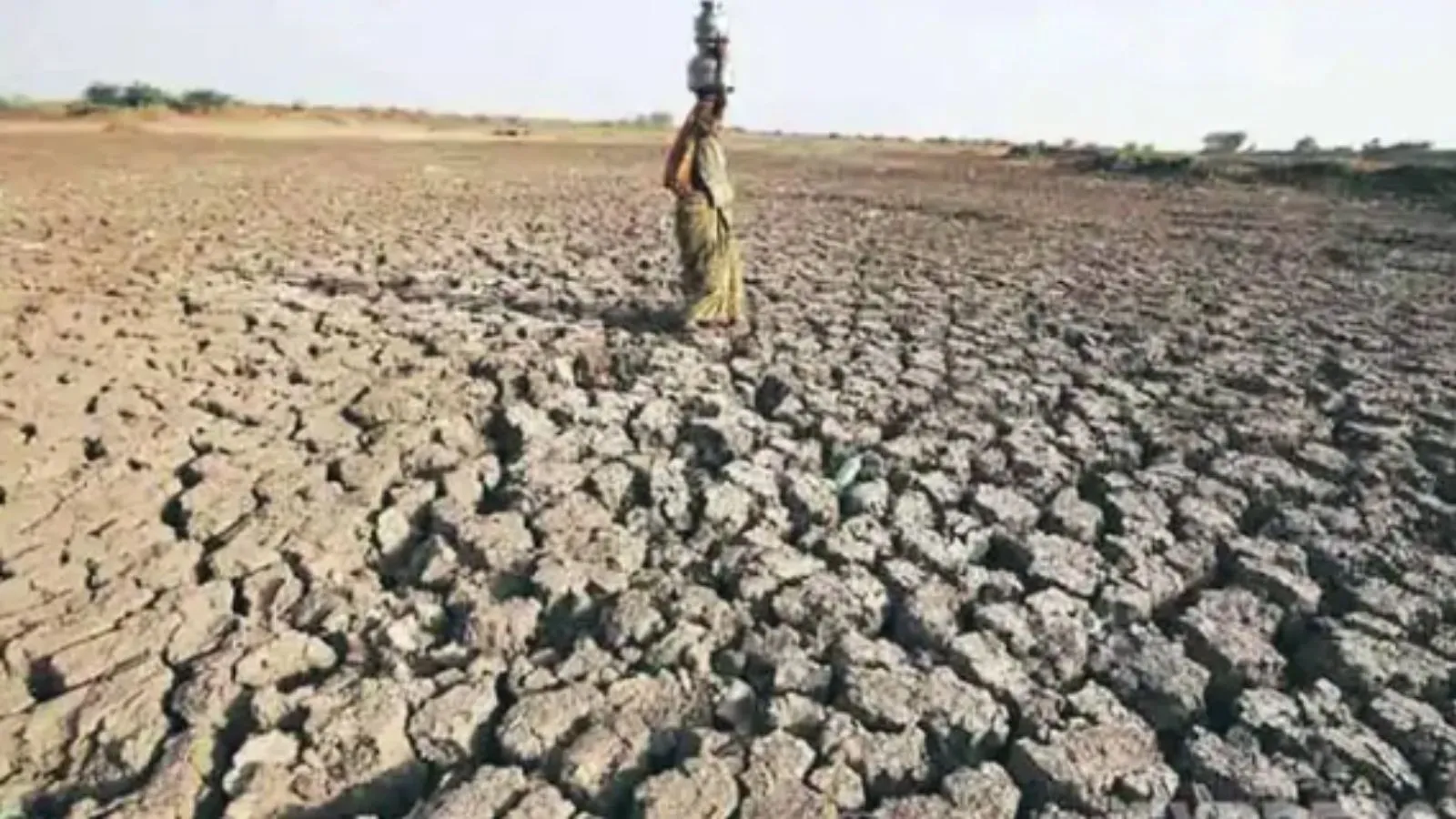
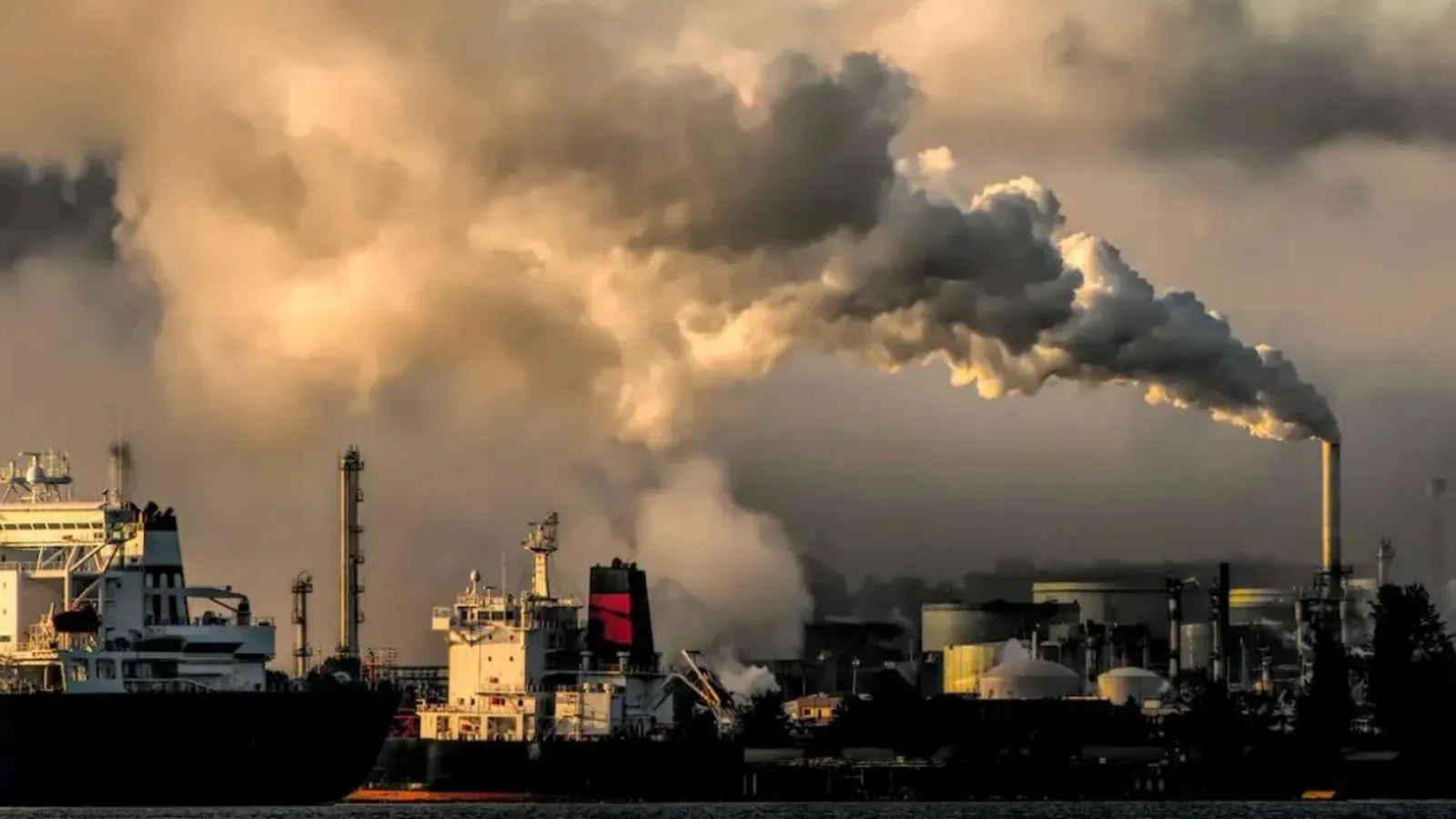
Historically, other analyses, including those from the Intergovernmental Panel on Climate Change (IPCC), have suggested a narrowing window of opportunity to maintain temperature increases within this limit. The 1.5 degrees Celsius mark is an arbitrary threshold, but crossing it is expected to exacerbate existing climate impacts, such as extreme weather events, flooding, droughts, and heatwaves.
Climate Action Goals
The primary objective of global climate action, as outlined in the 2015 Paris Agreement, is to limit the temperature rise to well below 2 degrees Celsius and strive to keep it at 1.5 degrees Celsius. Notably, the 1.5 degrees Celsius threshold for annual averages was breached in 2024, marking it as the warmest year on record with an average temperature of 1.55 degrees Celsius above pre-industrial levels. Monthly averages have also exceeded the 1.5 degrees Celsius limit multiple times, particularly from July 2023 to December 2024.