
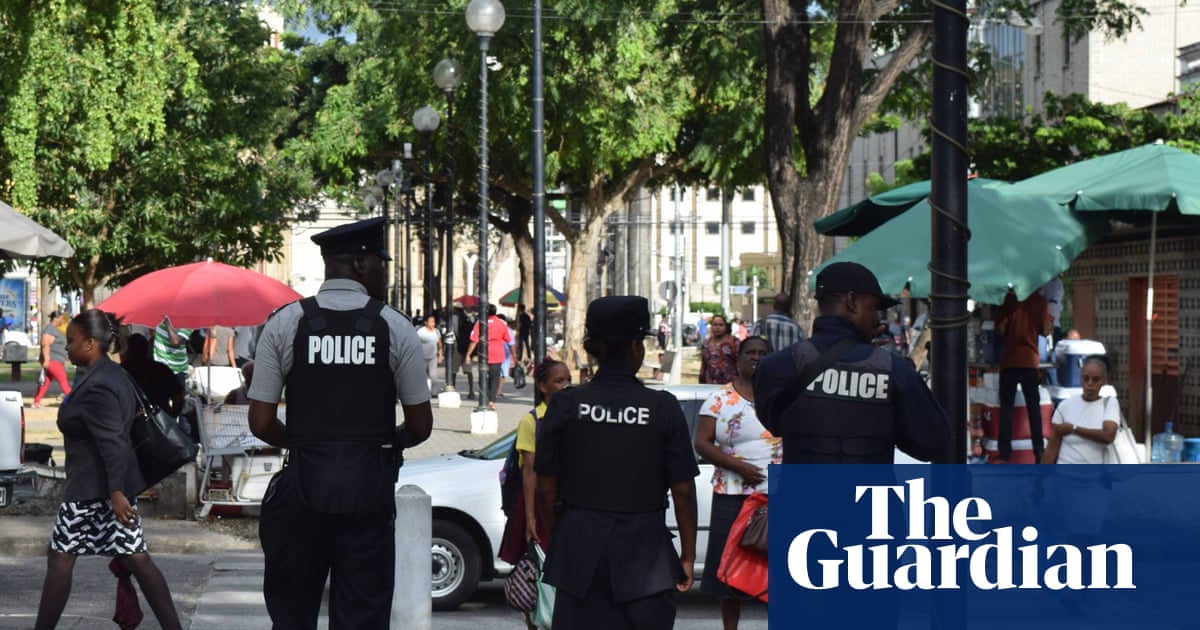
Journalists in Trinidad and Tobago are urgently calling for amendments to a new bill that significantly expands police powers of search and seizure, which they argue poses a threat to the nation’s press freedom. The special operations bill 2026, passed on September 24, aims to address the country's rising crime and murder rates.
Context
Trinidad and Tobago has been in a near-constant state of emergency for over a year, allowing police to bypass standard constitutional rights regarding arrest, detention, and search and seizure. Journalists are particularly concerned about the lack of explicit protections in the new legislation for their materials, such as notebooks, phones, and laptops.
Developments
The Media Association of Trinidad and Tobago (MATT) has called for an urgent amendment to clause 15 of the bill, which currently prevents police from seizing “a tool of a lawful trade or business” or materials protected by legal professional privilege. However, MATT argues that journalism is not explicitly recognized as a protected trade under this clause.
Prior Beharry, president of MATT, stated:
“"We need to explicitly shield our devices and materials … and confidential source information from standard police seizure."
MATT is advocating for the clause to be revised to specifically name journalism as a protected lawful trade, ensuring the safeguarding of journalists' devices and confidential sources. Beharry expressed concern about the implications of the bill in a digital age, where a journalist's primary tools often include cell phones.