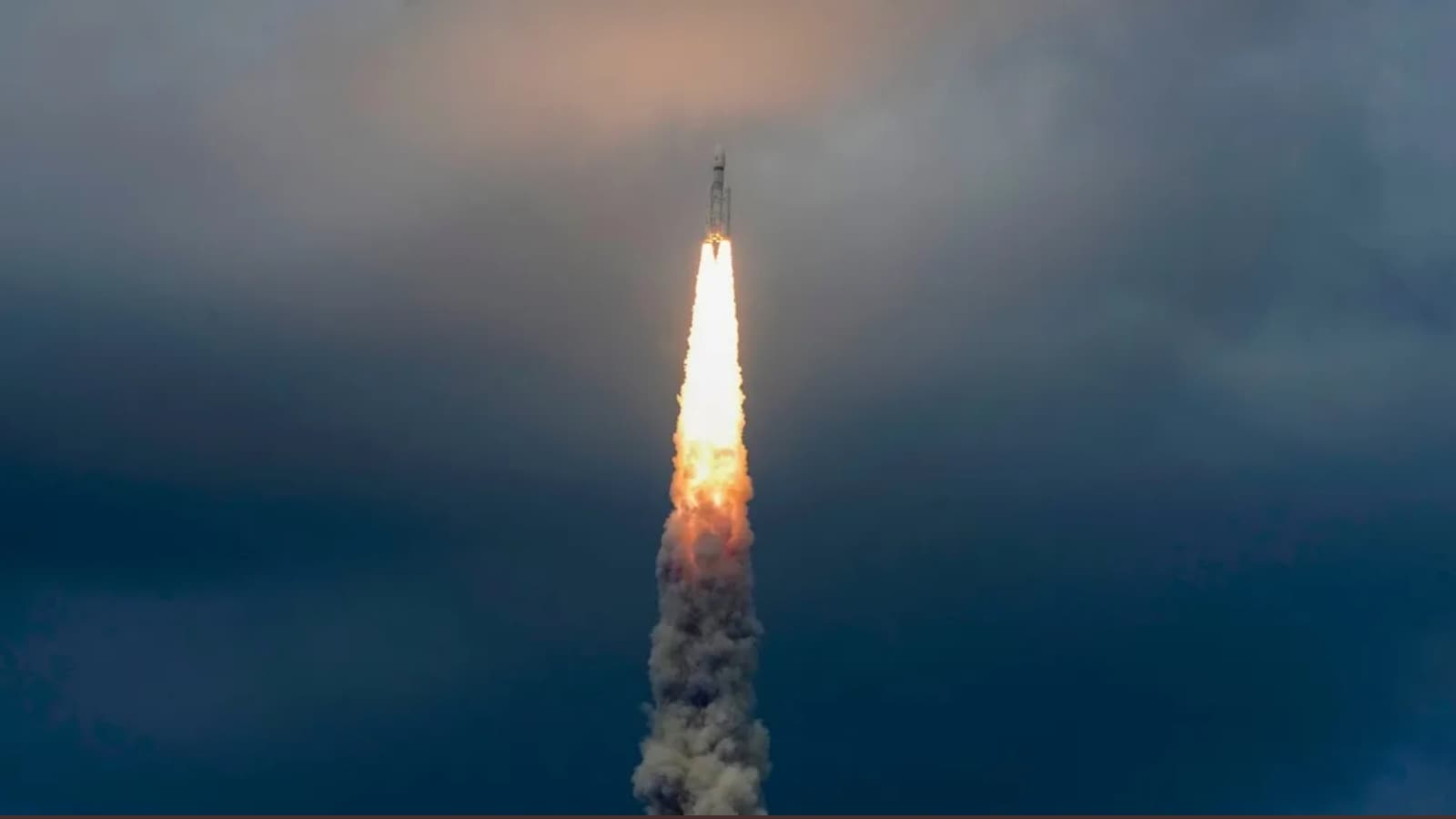

When NASA launched the Nancy Grace Roman Space Telescope from the Kennedy Space Center in Florida late last month, engineers were anxious. Expectations were high as the telescope is designed to collect unprecedented data about the universe's expansion and the number of previously hidden planets in our galaxy. After 15 years of preparation and an investment of $4 billion, this moment was crucial. However, the smallest mistakes in spacecraft operations can derail everything.
Concerns Over Lab Relocations
At NASA's Goddard Space Flight Center in Greenbelt, Maryland, engineers were aware that teams working on the telescope had been operating under precarious conditions. Since last November, NASA management had forced scientists to vacate their labs multiple times, with the most recent move occurring just a month before the Roman's launch. This disruption affected critical work on the telescope, as propulsion engineers had to conduct fuel tests using less sensitive equipment due to the loss of higher-quality tools during relocations.
“"We can't do the work because we don't have our $6 million antenna chamber anymore," an engineer stated.
Interviews with seven current and former NASA scientists and engineers revealed that these moves resulted in the loss of specialized workspaces, personnel, and expensive machinery essential for the Roman and other spacecraft.
Management's Justification
NASA's management claimed that moving scientists out of buildings was aimed at reducing costs and eliminating "waste and redundancies." Internal documents reviewed by NPR indicated that relocating teams from over 80 facilities aligned with a master plan for changes to Goddard's campus, allowing the center to avoid tens of millions of dollars in deferred maintenance. However, workers argued that these relocations were detrimental to NASA's mission.