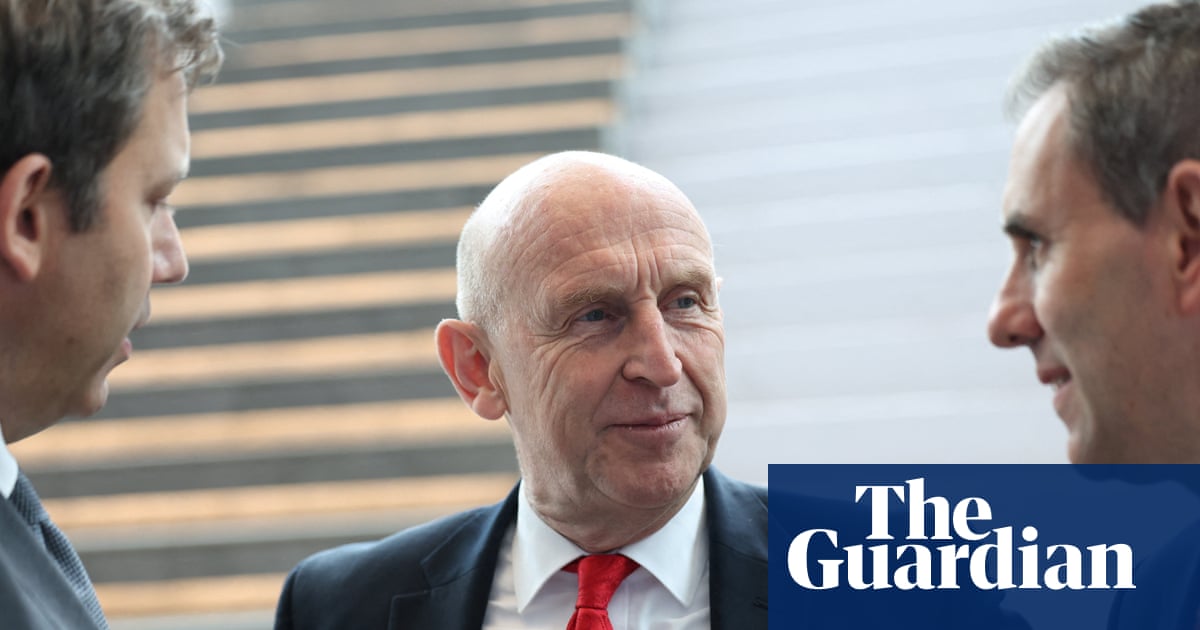
Chancellor John Healey is set to target Britain's banks in his upcoming budget on 28 October. This move aims to help offset the financial damage caused by the ongoing conflict in the Middle East. Healey is currently in Bangkok, where the International Monetary Fund has commended the UK's progress towards fiscal balance, urging him to "stay the course."
Context
To maintain the Treasury's deficit reduction plans amid rising government borrowing costs, Healey is considering increasing taxes on the financial sector. One option under discussion is reversing cuts to the bank surcharge made by former Chancellor Jeremy Hunt, which could generate over £2 billion annually.
The UK's four largest banks—HSBC, NatWest, Barclays, and Lloyds Banking Group—have reported strong earnings, collectively generating £200 billion in pre-tax profits over the past five years. Paul Nowak, the general secretary of the TUC, emphasized the need for banks to contribute more, stating:
“"Britain’s big four banks are making a billion pounds a week, while bonuses have hit a post-crash record. These are bumper profits – driven by high interest rates and households’ mortgage misery. It’s time to make sure banks pay their fair share."
Developments
During his discussions in Bangkok, Healey acknowledged the banks' role in supporting economic growth, remarking:
“"People too often see them as big distant financial institutions, when they are hardwired into the economic fabric of this country and our future prospects."