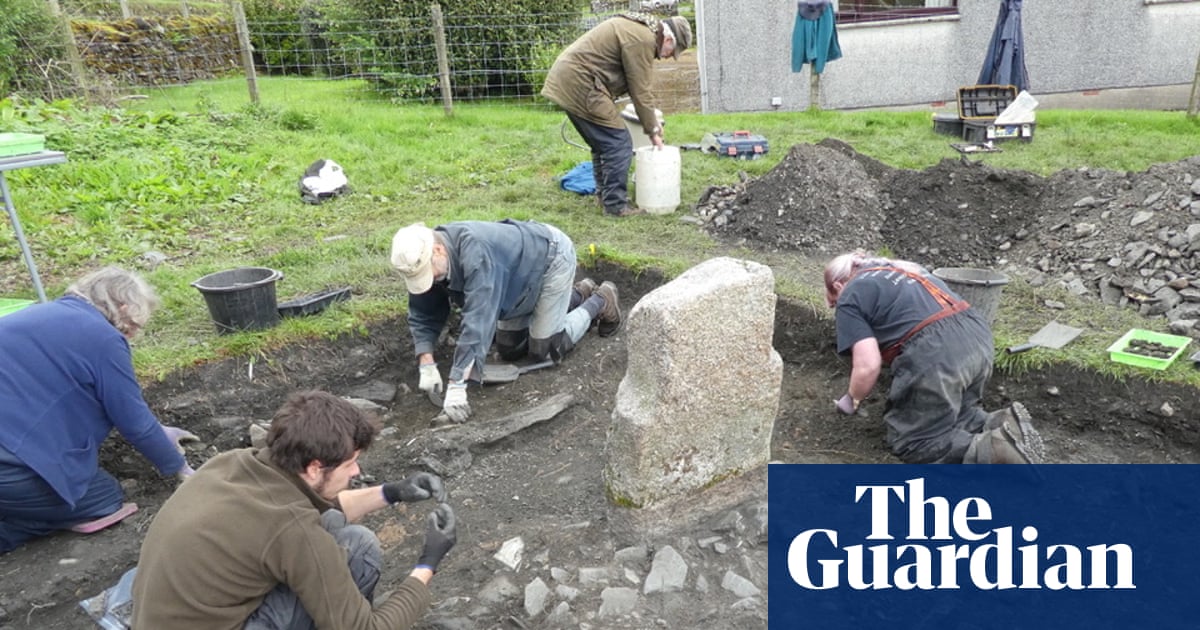
Community-funded archaeological excavations on the Scottish island of Lismore have uncovered significant findings related to a sixth-century monastery, shedding new light on the spread of Christianity in northern Britain. The island, which has a population of just 190, is known for its rich history, but until now, little evidence remained from this early period.
Historical Context
Lismore, located near Oban in Argyll, was home to a monastic settlement during the sixth century AD, a time when missionaries from Ireland were spreading Christianity. Despite the historical significance, only a few fragments of an early carved cross were previously found, leaving much of the island's early history unexplored.
Excavation Efforts
Determined to uncover more, a group from the island's historical society sought funding through grants, donations, and a crowdfunding campaign. They hired professional archaeologist Dr. Clare Ellis of Argyll Archaeology to lead the excavation at the site of a later medieval cathedral. The findings have been described as “hugely exciting” and have rewritten the narrative of Lismore's historical importance.
Key Discoveries
The excavation revealed:
- Extensive burial grounds
- Decorated stonework
- Early buildings associated with a major sixth-century monastery
These features suggest that the monastery of Lios Mór, founded by Saint Mo Luóc (or Moluag), was a site of international significance, comparable to the more renowned site of Iona.