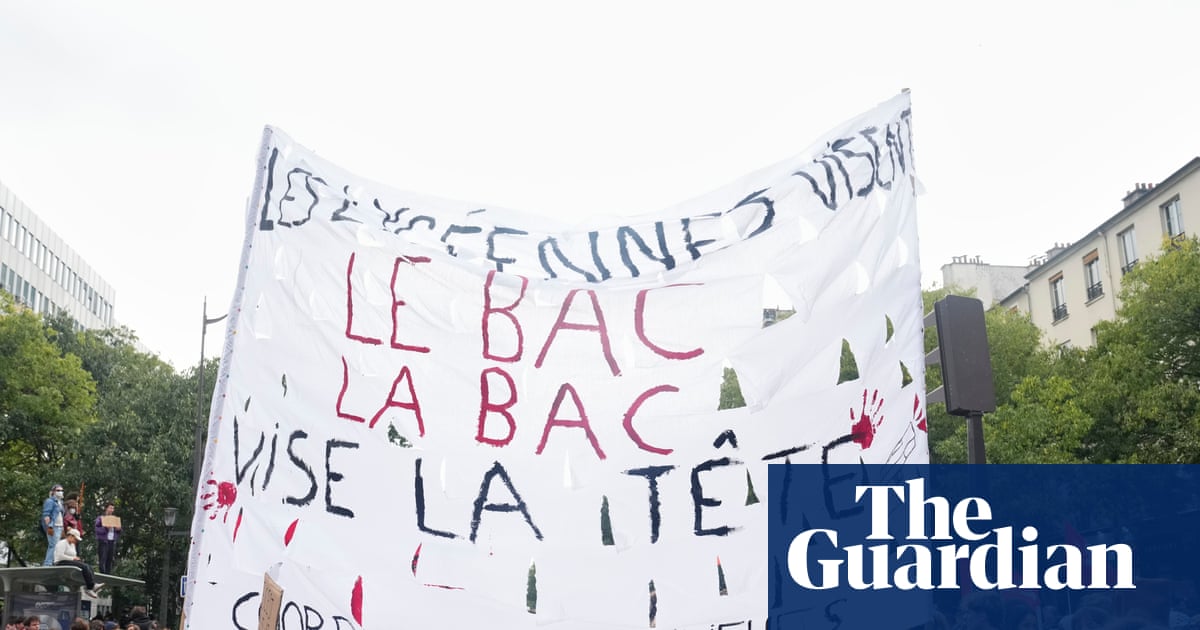


France is on high alert ahead of a new day of nationwide protests scheduled for Saturday, just a week after experiencing some of its worst unrest in decades. Public buildings and businesses across the country have been boarded up in anticipation of the demonstrations, which are expected to draw hundreds of thousands of protesters in Paris and other cities. The protests are organized by students, trade unions, and broader anti-government groups.
Security Measures
In response to the unrest, the Interior Ministry has announced the deployment of 70,000 police officers to enhance security in French cities. This decision comes after the government faced criticism from opposition parties for failing to predict the scale of the violence that erupted on October 17. Interior Minister Laurent Nuñez stated, "We will not let anything go unchallenged," emphasizing a firm stance against vandals and those committing acts of violence.
Government Restrictions
Earlier this week, President Emmanuel Macron decreed that only demonstrations organized by recognized trade unions would be permitted on Saturday. Several cities, including Lyon, Nice, and Montpellier, have implemented blanket bans on gatherings. However, many organizers remain undeterred, with hundreds of protests planned across the country.
In Marseille, a previous order barring all protests was reversed to allow a trade union-organized march. In Paris, a student-led march has been restricted to a route that avoids the city center, although preparations for potential unrest continue in prominent areas.
Anticipated Protests
The Louvre, Orsay, and Picasso museums will be closed on Saturday, and a scheduled home match for football team PSG has been moved to Monday. Businesses have boarded up their windows in anticipation of further looting. Last Saturday's largely peaceful demonstrations devolved into rioting and looting, highlighting the volatility of the situation.