

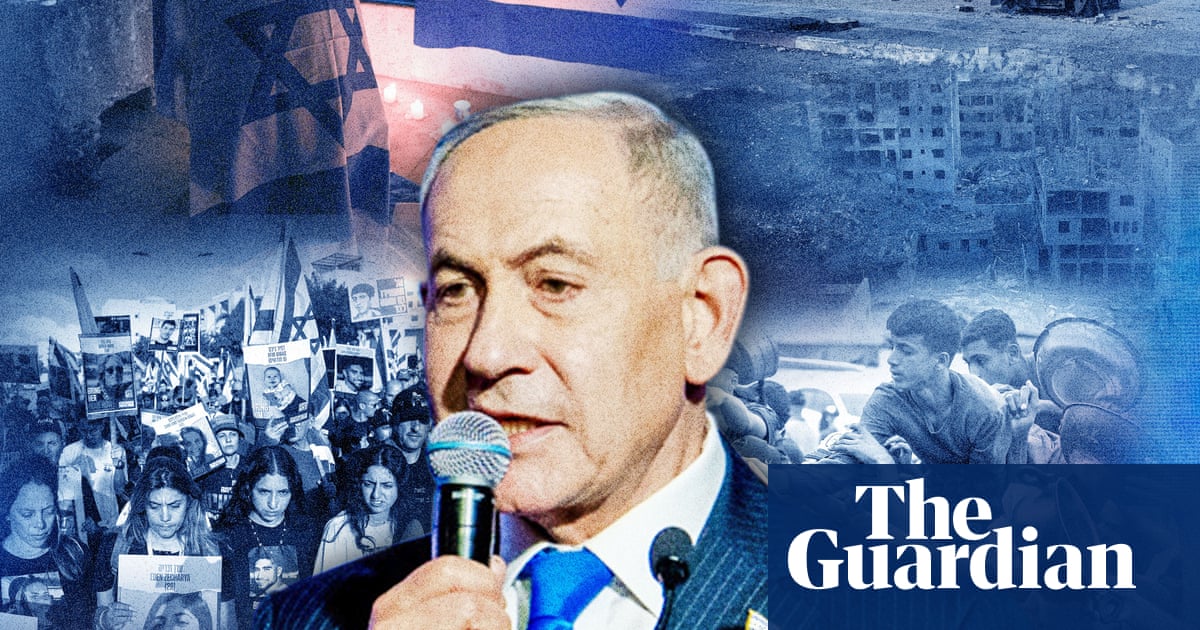
The upcoming general election in Israel on Tuesday sees Benjamin Netanyahu, the long-serving prime minister, facing off against Gadi Eisenkot, a former general and the lead opposition challenger. Netanyahu has dominated Israeli politics for nearly three decades, and as the election approaches, he has managed to put his rivals on the defensive.
The Opposition's Challenge
At a rally in Modi’in, a city located between Tel Aviv and Jerusalem, supporters of Eisenkot gathered to hear him speak. Despite the enthusiasm in the crowd, the shadow of Netanyahu loomed large. Eisenkot, who has only been in politics for four years, is portrayed as the antidote to Netanyahu's political style, which many view as manipulative.
Eisenkot's party, Yashar, which means 'straight' or 'direct', implicitly contrasts with Netanyahu's reputation. He advocates for a government characterized by integrity and accountability, stating, "a country without lies" and suggesting term limits for the prime minister, asserting that "power corrupts".
Netanyahu's Political Dominance
Netanyahu's influence over Israeli politics is profound. The current election is framed not just as a contest between left and right, but as a battle between Bibi and anti-Bibi forces. Figures like former PM Naftali Bennett and Avigdor Lieberman, who once allied with Netanyahu, now find themselves in opposition.
Even the far-right parties frame their arguments in relation to Netanyahu. Yishai Fleisher from Otzma Yehudit (Jewish Power) emphasized the need to keep Netanyahu aligned with right-wing policies, indicating that his leadership remains central to their agenda.