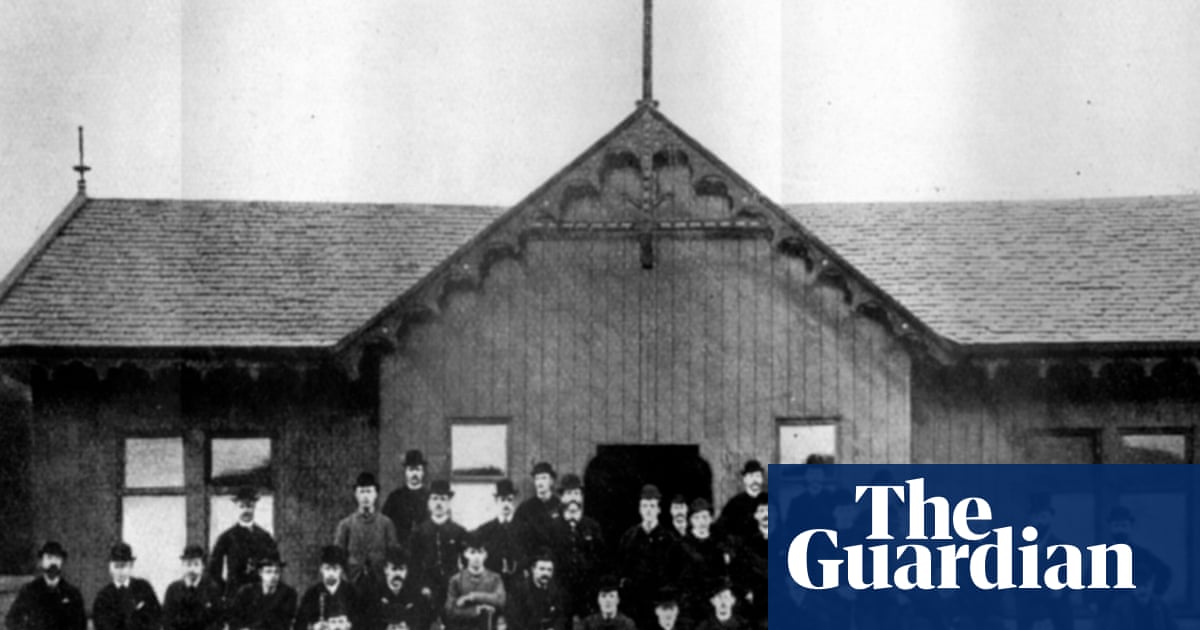
Part of the site of First Hampden in Glasgow is up for rent, and campaigners want to turn it into a community hub. Fans of Scotland’s national football team may not have had many reasons to celebrate in recent years, but that hasn’t always been the case. Almost 150 years ago, in 1878, the team moved into their first home in a Glasgow ground known as First Hampden and promptly won every game they played there.
As well as being celebrated as Scotland’s “tartan fortress,” First Hampden, about half a mile from where Hampden Park sits today in south Glasgow, is widely considered the world’s first purpose-built international football stadium. Many features now commonplace in grounds around the world – including season tickets, turnstiles, and pavilions – have long been thought to have originated there.
Campaign for Community Hub
Now, a campaign has been launched to safeguard the site and turn it into a community hub and heritage space after it was put on the market when the previous tenant, a bowling club, closed its doors earlier this year.
““We want to see it become a multifunctional community space,” says Calum Cameron, 37, one of the founding members of First Hampden Community Interest Company (CIC). “Somewhere vibrant and usable for the community but that also upholds and develops this amazing footballing history through storytelling and heritage.”
Before becoming the national ground, First Hampden was home to Queen’s Park FC, who are also credited with inventing many features of the modern game, including the passing style of play, as opposed to a more rugby-like kick-and-charge approach that was common at the time. A key generation of players nicknamed the “Scotch professors” went on to export the invention around the country and the world, including to nations such as Brazil that dominate the international game today.
A striking black-and-white mural on the back of what was previously Hampden Bowling Club on the site commemorates a famous 5-1 victory over England in 1882 and depicts the then national team captain, Andrew Watson, the first Black international footballer.